







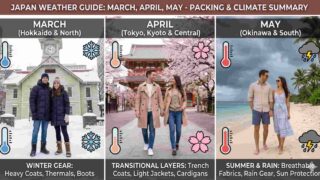








Most the world believes the ski season ends when the cherry blossoms begin to bloom. In Japan, however, this couldn’t be further from the truth. Spring skiing Japan is one of the country’s best-kept secrets, offering a unique fusion of soft snow, bluebird skies, and a festive atmosphere that lasts well into Golden Week (early May).
While the legendary “Japow” of January is famous, the spring season offers its own distinct advantages: warmer weather, longer days, lower lift ticket prices, and the incredible opportunity to ski in the morning and view cherry blossoms (sakura) in the afternoon.
In this comprehensive guide, we have curated the top 12 locations for the 2026 spring season, based on current snow forecasts and resort data. Whether you are looking for high-alpine Hokkaido powder or the mystical snow walls of the Japanese Alps, this is your essential resource.
Want to learn about Japan’s quirky ski culture? Check out this article!
Why Don’t Japanese People Wear Helmets? Unique Ski Culture & Safety
Why Choose Spring Skiing in Japan?
Before we dive into the resort rankings, it is crucial to understand what makes spring skiing in Japan so special compared to the freezing temperatures of February.
- High Fair-Weather Rate: Unlike the heavy snowstorms of winter, spring brings stable high-pressure systems. You are far more likely to experience clear, sunny days perfect for photography and comfortable cruising.
- The “Corn Snow” Experience: While powder is less frequent, the freeze-thaw cycle creates “corn snow”—a granular surface that is smooth, fast, and incredibly fun to carve.
- Relaxed Atmosphere: The lift lines disappear, and the vibe becomes more laid-back. It’s common to see skiers enjoying outdoor BBQs and beers in t-shirts at the base.
- Golden Week Access: Many major resorts stay open until May 6, 2026, specifically to accommodate the Golden Week holidays, ensuring full amenities are running until the very last day.
Top 3 Spring Ski Resorts in Hokkaido
Late-season powder and vast terrain in the North.
Hokkaido is synonymous with snow. Even in spring, the latitude ensures that the snow base remains deep. If you are chasing the last remnants of winter powder, this is where you need to be.
1. Niseko Tokyu Grand Hirafu (Hokkaido)

The King of JAPOW transitions into a Spring Paradise.
- Season End: Scheduled until May 6, 2026 (GW)
- Access: approx. 2.5 hours by car/bus from New Chitose Airport.
- Google Map: View Location on Map
- Best For: Nightlife, vast terrain, and Mt. Yotei views.
Why it Ranks #1:
As the largest resort in the Niseko United area, Niseko Tokyu Grand Hirafu retains an incredible snow depth well into April. While the deep powder of January settles, spring brings a new life to the mountain. The crowds that usually choke the lift lines disperse, leaving the wide, groomed runs open for high-speed carving.
The Spring Experience:
In early April, you can still catch fresh powder days. However, the real draw is the “Bluebird Cruising.” Skiing with the majestic Mt. Yotei (the Mt. Fuji of Hokkaido) towering in front of you under a clear spring sky is an experience unmatched in Asia.
Pro Tip: The base area of Hirafu is world-renowned for its dining. In spring, you don’t need reservations weeks in advance. Enjoy the international vibe and après-ski without the stress.
Local Insight: Don’t miss the sunset skiing. In spring, the sun sets later, bathing Mt. Yotei in a purple alpenglow while you take your final turns.
2. Furano Ski Resort (Hokkaido)

Inland cold for superior snow preservation.
- Season End: Scheduled until May 6, 2026 (GW)
- Access: approx. 1 hour 20 min by bus from Asahikawa Airport.
- Google Map: View Location on Map
- Best For: Long groomers and sightseeing.
Why it Ranks #2:
Located in central Hokkaido, Furano benefits from inland dryness. This low humidity helps preserve snow quality longer than coastal resorts. Even in late March, the snow remains surprisingly dry and chalky.
Terrain Breakdown:
The resort is split into the “Furano Zone” and “Kitanomine Zone.” While operations may consolidate in late spring (always check the lift status), the vertical drop here is world-class, having hosted FIS World Cup events.
- Sightseeing Bonus: Furano is famous for the TV drama Kita no Kuni Kara. The town offers a rustic, authentic Japanese feel compared to the internationalized Niseko.
3. Kiroro Snow World (Hokkaido)

The Heavyweight of Snowfall.
- Season End: Scheduled until May 6, 2026 (GW)
- Access: approx. 2 hours by bus from New Chitose Airport (via Otaru).
- Google Map: View Location on Map
- Best For: Deepest snow base and luxury stays.
Why it Ranks #3:
Kiroro is a “snow magnet.” Located in a heavy precipitation zone near Otaru, it often records the highest snowfall depths in Hokkaido. This massive accumulation serves as an insurance policy for your trip—even if it’s a warm spring, Kiroro will have snow.
The Resort Experience:
Because the base elevation is high, the snow remains compacted and fast. Kiroro is also known for its upscale resort hotels adjacent to the slopes. It creates a “ski-in/ski-out” luxury bubble that is perfect for families who want convenience.
- Value Alert: Look for spring season lift ticket discounts, which often provide access to this premium resort at a fraction of the high-season cost.
Top Niigata Resorts: The Spring Skiing Meccas
Massive snowfalls and easy access from Tokyo.
Niigata Prefecture is home to the “Snow Country” (Yukiguni). The moisture from the Sea of Japan creates snow walls meters high, allowing resorts here to stay open the longest in Honshu.
4. Lotte Arai Resort (Niigata)

Premium freeriding until mid-May.
- Season End: Scheduled until May 10, 2026
- Access: 2 hours from Niigata Airport (or 2 hours via Shinkansen from Tokyo to Joetsu Myoko + shuttle).
- Google Map: View Location on Map
- Best For: Off-piste terrain and luxury facilities.
Why it Ranks #4:
Lotte Arai has quickly established itself as a premier destination for serious riders. It is one of the few resorts in Japan that keeps its free-riding zones (avalanche controlled off-piste areas) open through spring.
The Experience:
The spring “corn snow” in the steep bowls of Arai is legendary. It allows for aggressive riding in terrain that might be too deep or dangerous in mid-winter. After skiing, the resort offers 5-star amenities, including a zip-line, pool, and high-end onsen. It is the perfect blend of adrenaline and relaxation.
5. Kagura Ski Resort (Niigata)

The longest season in the region.
- Season End: Scheduled until May 17, 2026
- Access: 2.5 hours from Niigata Airport or 90 mins via Shinkansen to Echigo-Yuzawa.
- Google Map: View Location on Map
- Best For: Moguls, parks, and long seasons.
Why it Ranks #5:
If you ask a Tokyo local where they go for spring skiing Japan, they will say Kagura. Its high altitude ensures it stays open often until late May. It is effectively the “capital” of spring skiing in Kanto.
The Vibe:
The resort connects the Kagura, Mitsumata, and Tashiro areas. In spring, the Kagura area (the highest peak) is the place to be. You will see mogul skiers practicing on bump lines and park rats hitting the spring jumps. It is also a popular gateway for spring backcountry tours.
Top Nagano Resorts: The Japanese Alps
High altitude, hot springs, and Olympic history.
6. Tsugaike Mountain Resort (Nagano)

Heli-Skiing and Beginner Friendly slopes.
- Season End: Scheduled until May 6, 2026 (GW)
- Access: approx. 1.5 – 2 hours from Matsumoto Airport.
- Google Map: View Location on Map
- Best For: Heli-skiing and park riding.
Why it Ranks #6:
Located in the Hakuba Valley, Tsugaike is famous for two things in spring:
- The Kane-no-Naru-Oka Slope: An ultra-wide, gentle slope perfect for beginners learning in soft spring snow (which hurts less when you fall!).
- Spring Heli-Skiing: From mid-March, Tsugaike offers helicopter lifts to the high alpine (Tenguppara, 2,200m). This is a bucket-list experience, offering long backcountry runs amidst the stunning Northern Alps.
7. Nozawa Onsen Ski Resort (Nagano)

A cultural icon with incredible spring vibes.
- Season End: Scheduled until May 6, 2026 (GW)
- Access: approx. 2 hours from Matsumoto Airport or Shinkansen to Iiyama.
- Google Map: View Location on Map
- Best For: Village atmosphere and “Yamabiko” area.
Why it Ranks #7:
Nozawa Onsen is unique because the village itself is a historic hot spring town. In spring, the action moves to the top of the mountain, the “Yamabiko” area.
The Culture:
After shredding the spring bumps and park features at Yamabiko, you ski down to the village to tour the 13 free public baths (soto-yu). Walking the cobblestone streets in a yukata robe, eating an onsen tamago (egg cooked in hot spring water), and enjoying the mild spring evening air is the ultimate Japanese ski experience.
8. Shiga Kogen Yakebitaiyama (Nagano)

The Platinum Standard of Spring Skiing.
- Season End: Scheduled until May 6, 2026 (GW)
- Access: approx. 2 hours from Matsumoto Airport.
- Google Map: View Location on Map
- Best For: Early morning “fast track” and scenery.
Why it Ranks #8:
Shiga Kogen is Japan’s largest ski area. Yakebitaiyama is known for its beauty, surrounded by coniferous forests that resemble North American resorts.
- Insider Secret: In spring, look out for “Early Morning” operations. The temperatures drop overnight, freezing the groomed runs into a perfect, hard-carving surface known locally as Kanchigai Barn (“Misunderstanding Burn”—because it makes you feel like you’re a better skier than you are!).
Closest to Tokyo: Gunma Prefecture
Perfect for day trips and quick getaways.
9. Marunuma Kogen Ski Resort (Gunma)

High elevation surfing.
- Season End: Scheduled until May 6, 2026 (GW)
- Access: 3.5 – 4 hours by car from Haneda Airport.
- Google Map: View Location on Map
- Best For: Snowboarding and terrain parks.
Why it Ranks #9:
Located on Mt. Nikko-Shirane, the top elevation is 2,000m. This height keeps the snow cool. Marunuma is famous for the Frozen Wave Park, a surf-inspired terrain park that appears in spring. It attracts stylish snowboarders looking to flow through banks and bowls rather than just hitting big jumps.
10. Tambara Ski Park (Gunma)

Family-friendly and forgiving.
- Season End: Scheduled until May 6, 2026 (GW)
- Access: 3 hours from Haneda Airport.
- Google Map: View Location on Map
- Best For: Beginners and kids.
Why it Ranks #10:
Tambara is marketed as the “closest spring skiing to Tokyo.” The slopes are very gentle (80% beginner/intermediate). The soft spring snow makes it the safest place for children to learn. It’s also famous for lavender in summer, and you can enjoy the beautiful, open slopes before the flowers bloom.
Beyond Resorts: The “Snow Wall” & Scenic Spring
For those who want more than just lift-accessed skiing.
11. The Holy Grail: Tateyama Kurobe Alpine Route

The “Snow Valley” and Backcountry Mecca.
- Best Time: Mid-April to June.
- Access: 2.5 hours from Toyama Kitokito Airport to Murodo.
- Google Map: View Location on Map
- Target Audience: Sightseers and Expert Backcountry Skiers.
The Phenomenon:
Every spring, massive plows carve through the snow on the Tateyama Alpine Route, creating the Snow Walls (Yuki-no-Otani), which can reach 20 meters in height. Walking between these towering white cliffs under a blue sky is a world-class tourist attraction.
For Skiers:
There are no lifts here. This is the holy land of Spring Backcountry. Skiers use climbing skins to hike up from Murodo (2,450m). The terrain is vast, offering everything from mellow corn snow runs to steep alpine chutes.
- Warning: This is high-alpine terrain. Even in April, blizzards occur. Avalanche gear (beacon, shovel, probe) and mountain knowledge are mandatory for skiers.
12. The Artistic Spring: Matsunoyama Onsen (Niigata)

Where snow meets the cherry blossoms and greenery.
- Best Time: Late March to Mid-April.
- Access: 2 hours from Niigata Airport.
- Google Map: View Location on Map
- Best For: Photographers and “Snow Momiji.”
The Hidden Gem:
While the local ski area closes around early April, the Matsunoyama area in Tokamachi offers a different kind of beauty. As the snow melts, the beech forests (Bijin-bayashi) exhibit a phenomenon called “Root Opening” (Ne-ake), where black tree circles appear in the white snow.
- The Atmospheric Effect: The difference in temperature between the warm air and cold snow creates a mystical fog (moya). The scenery looks like a traditional ink wash painting. It is less about the sport and more about the experience of the Japanese snow country (Yukiguni) waking up from winter.
Practical Tips for Spring Skiing in Japan
| Factor | Winter (Jan/Feb) | Spring (Mar/April/May) |
| Snow Quality | Deep Powder | Corn Snow / Slush |
| Clothing | Heavy Down / Thermal Layers | Shell Jacket / Hoodie / Sunglasses |
| Crowds | High | Low (except Golden Week) |
| Sun | Low visibility | High UV (Sunscreen is mandatory!) |
| Lift Tickets | Full Price | Often Discounted |
Gear Recommendations for Spring
- Eyewear: Swap your low-light goggles for dark lenses or high-quality sunglasses. The glare from the snow is intense.
- Wax: You must use “Spring Wax” (warm temperature wax) or structured bases. Winter wax will stick to the wet snow, making you slide slowly.
- Hydration: It gets warm! Carry a hydration pack or water bottle.
Conclusion
Spring skiing in Japan offers a completely different vibe from the intense powder hunting of winter. It is a time for celebration, scenery, and enjoying the mountains in comfort. From the high-energy parks of Marunuma to the luxurious slopes of Lotte Arai, and the awe-inspiring walls of Tateyama, there is a destination for every type of traveler.
If you are planning a trip for Spring 2026, the window is short but sweet. The Golden Week holiday (late April to May 6) marks the grand finale of the season.
Don’t let the melting snow stop you. The mountains are calling, and the sun is shining.
Next Step
Planning the rest of your trip? This article is just one part of the season. To get the full picture—including the 2026 Cherry Blossom Forecast, Golden Week survival tips, and Skiing advice—check out my main guide:

