


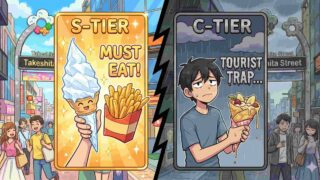
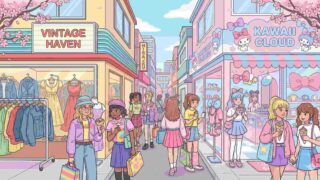

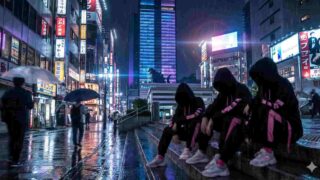



Are you still planning to spend your entire Harajuku trip shoulder-to-shoulder with thousands of sweating tourists, trying to eat a basic, overpriced rainbow crepe while getting pushed around on Takeshita Street? Stop right there. If your Tokyo itinerary still looks like it was copy-pasted from a 2014 travel blog, we need to have a serious talk. Harajuku has evolved, and the real magic of this neighborhood doesn’t happen on the main street anymore—it happens in the back alleys.

Hi, I’m Haruki! As a 23-year-old native Japanese local, I’ll share the REAL info that guidebooks won’t tell you!
💡 Key Takeaways (TL;DR):
- Things to do in Harajuku 2026 go way beyond the main tourist drags; the absolute best experiences require you to ditch the main streets and explore the underground scene.
- Direct Answer: The definitive 2026 Harajuku experience involves thrifting for Y2K/Archive fashion in Ura-Harajuku, grabbing artisan matcha in hidden cafes, taking highly customized Purikura photos, and finding zen at Meiji Jingu Shrine.
- Pro Tip: Skip the exotic animal cafes entirely. They are often unethical, incredibly overpriced, and major tourist traps. Spend that yen on high-quality vintage streetwear or S-tier street food instead.
- Why this guide is unique: Written by a Tokyo local, this is your unfiltered, “No-BS” blueprint to navigating the kawaii and streetwear capital of the world without falling for scams or wasting your time.
- 1. Dive into the Chaos of Takeshita Street (Takeshita-dori)
- 2. Experience the New “Kawaii Monster Land”
- 3. Find Serenity at Meiji Jingu Shrine
- 4. Explore the “Harakado” Complex (Tokyu Plaza Harajuku)
- 5. Eat Your Way Through Harajuku (Street Food Guide)
- 6. Shop for Kawaii & Gothic Fashion at Laforet Harajuku
- 7. Take a “Purikura” Souvenir
- 8. Wander “Cat Street” & Ura-Harajuku
- 9. Relax in Yoyogi Park
- 10. Visit a Unique Animal Cafe
- Practical Information for Your Visit
- Conclusion
1. Dive into the Chaos of Takeshita Street (Takeshita-dori)

The Gateway to Kawaii Culture
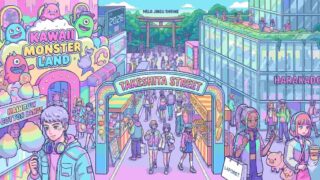
You cannot say you’ve been to Harajuku without walking down Takeshita Street. It is the arterial vein of the district—a 400-meter pedestrian alley packed with an explosion of pink, neon, and sugar. While it is undeniably touristy, it remains the best place to understand the sheer energy of Japanese youth culture.
What to Expect in 2026
In 2026, Takeshita Street is a blend of legacy shops and digital-first trends. You will still find the legendary Daiso (one of the largest 100-yen shops in Tokyo) and Marina (for gothic lolita fashion), but they are now flanked by livestreaming studios and shops selling goods viral on TikTok.
Must-Visit Shops on Takeshita
- World Connection: A chaotic emporium of pop-culture goods, from Studio Ghibli to Chainsaw Man merchandise.
- ACDC Rag: The place to buy affordable, edgy, punk-inspired clothing that defines the “Harajuku Style.”
- B-Side Label: A sticker shop offering high-quality, water-resistant stickers designed by Japanese artists—a perfect, lightweight souvenir.
Pro Tip: Avoid Takeshita Street on weekends between 11:00 AM and 3:00 PM if you dislike crushing crowds. The best time to visit is a weekday morning around 10:30 AM, right as shops are opening.
2. Experience the New “Kawaii Monster Land”
The Return of the Legend
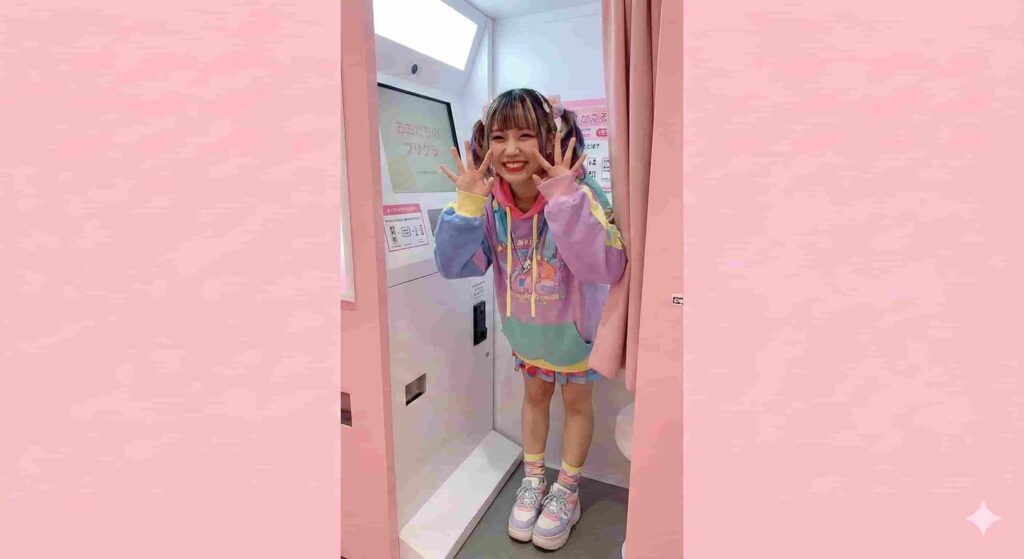
For years, the Kawaii Monster Cafe was the icon of Harajuku—a psychedelic restaurant that looked like a melted cake explosion. Its closure in 2021 left a void in the district. However, as of Winter 2025/Early 2026, the spirit has returned as Kawaii Monster Land.
Why It’s a Must-Do
Located near Takeshita Street, this isn’t just a cafe; it’s an immersive “amusement park” concept. Produced by Sebastian Masuda, the godfather of kawaii culture, this facility offers a deep dive into the surreal. Expect “Monster Girls” (performers in elaborate costumes), psychedelic decor, and food that challenges your perception of color and taste (think blue curry and rainbow pasta).
- The Vibe: Fever dream meets high art.
- Booking: Reservations are absolutely essential in 2026. Book your tickets online at least 3 weeks in advance.
ALSO READ: Secret Harajuku: The “Anti-Crowd” Guide to Walking Takeshita’s Hidden Backstreets
3. Find Serenity at Meiji Jingu Shrine

The Spiritual Counterbalance
Just a two-minute walk from the sensory overload of Takeshita Street lies Meiji Jingu, Tokyo’s grandest Shinto shrine. Dedicated to Emperor Meiji and Empress Shoken, the shrine is surrounded by a dense forest of over 100,000 trees donated from all over Japan. The contrast between the neon streets and this silent forest is the defining duality of Tokyo.
Key Sights Within the Shrine Complex
- The Torii Gates: The massive wooden gates marking the entrance are made from 1,500-year-old cypress.
- The Sake Barrels (Kazaridaru): A famous photo spot displaying barrels of sake wrapped in straw, donated by brewers to the deities.
- Kiyomasa’s Well: Located in the inner garden (requires a small fee), this well is considered a “power spot” for spiritual energy.
Etiquette Note: When entering the Torii gate, bow once. Walk on the sides of the path (the center is reserved for the gods). At the main hall, throw your coin, bow twice, clap twice, pray, and bow once more.
ALSO READ: Harajuku Shopping Guide: Vintage Treasures & Kawaii Fashion.
4. Explore the “Harakado” Complex (Tokyu Plaza Harajuku)

The New Landmark of 2026
Opened recently in 2024 and fully established as a cultural hub by 2026, Harakado sits at the Jingumae intersection, directly across from its mirror-glass sister building, Omokado (Tokyu Plaza Omotesando). Harakado is not just a mall; it is a “creator’s platform.”
Why You Must Go
- The Rooftop Terrace: It offers one of the best free views of the Harajuku/Omotesando crossing. It is lush, green, and perfect for a sunset break.
- Kosugiyu Harajuku (Sento): Located in the basement, this is a fully functioning traditional Japanese public bathhouse (sento). Taking a hot bath in the middle of a fashion district is a uniquely 2026 Tokyo experience.
- Creator’s Market: The lower floors feature rotating pop-up shops for indie designers and artists who don’t have permanent physical stores.
5. Eat Your Way Through Harajuku (Street Food Guide)

Beyond the Crepe
While the Harajuku Crepe (try Santa Monica Crepes or Marion Crepes) is the classic staple, the food scene has evolved. In 2026, the street food is designed to be eaten with one hand while holding a smartphone in the other.
Top Street Foods to Try
- 10-Yen Bread (10-En Pan): Despite the name, it costs about 500 yen. It is a large, coin-shaped pancake filled with molten mozzarella cheese that stretches for an eternity.
- Long Longer Longest: Famous for spiraled fried potatoes that can reach nearly half a meter in length.
- Totti Candy Factory: The home of the giant rainbow cotton candy. It is pure sugar, but the photo opportunity is unbeatable.
- Fried Chicken Skin: A savory counter to the sweets, found at various stalls along the side streets.
6. Shop for Kawaii & Gothic Fashion at Laforet Harajuku

The Fortress of Fashion
If you want to see where the actual trends are born, bypass the big international chains and head to Laforet. This complex is a maze of half-floors (e.g., floor 1.5, floor 2.5), housing Japan’s most unique subculture brands.
Zones to Explore
- Basement Floors (B1.5): This is the home of Lolita, Gothic, and Punk fashion. Brands like Angelic Pretty and Alice and the Pirates have their flagship stores here. Even if you don’t wear this style, the window shopping is akin to visiting a costume museum.
- Upper Floors: You will find “Casual Kawaii” and experimental streetwear brands often worn by K-pop and J-pop idols.
ALSO READ: Harajuku Street Food Tier List 2026: S-Tier vs. Traps
7. Take a “Purikura” Souvenir

The Ultimate Japanese Memento
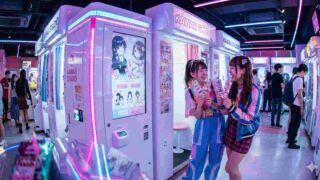
Purikura (short for “Print Club”) are photo sticker booths, but they are unlike anything in the West. These machines use heavy automated filters to enlarge your eyes, smooth your skin, and lengthen your legs to alien-like proportions. It is a quintessential Japanese rite of passage.
Where to Go
Head to the basement of any major arcade on Takeshita Street or the dedicated Purikura floors in shops like Noa.
How to Do It
- Choose your machine: Look for one with a “model” vibe you like.
- Shoot: The machine will shout poses at you (“Peace!”, “Cat pose!”). Move fast.
- Rakugaki (Graffiti): After shooting, you move to a touch screen to decorate your photos with digital stamps, dates, and names.
- Print: The machine spits out a sticker sheet. Scissors are usually provided to share with friends.
How to Purikura Like a Pro: Poses, Downloads & Hidden Spots
8. Wander “Cat Street” & Ura-Harajuku
The Hipster’s Haven
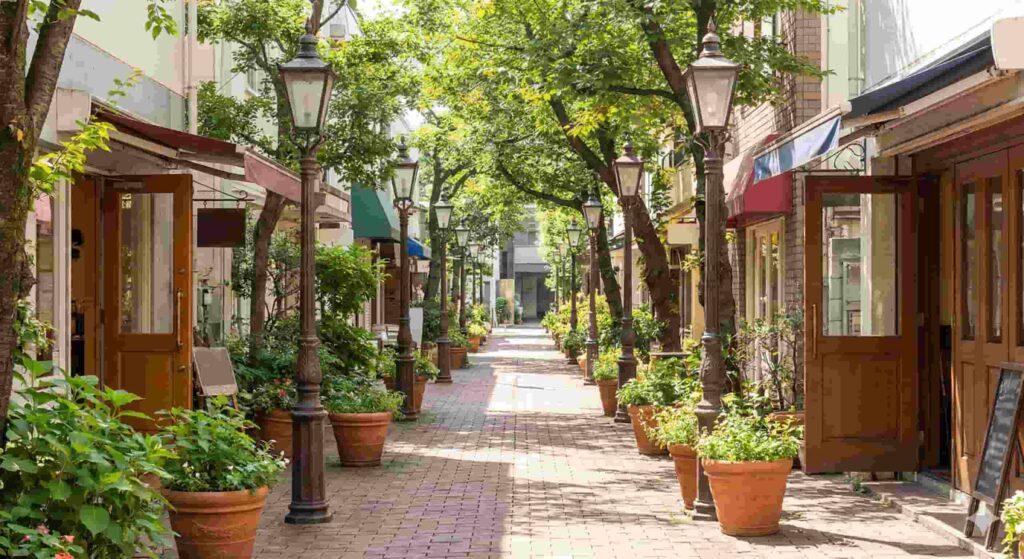
If Takeshita Street is for teenagers, Cat Street and Ura-Harajuku (the backstreets) are for the cool 20-somethings. This area connects Harajuku to Shibuya and offers a relaxed, pedestrian-friendly vibe with high-end thrift stores and artisan coffee.
Highlights
- RAGTAG: A high-end consignment shop where you can find second-hand Comme des Garçons, Supreme, and Vivienne Westwood at a fraction of the retail price.
- Coffee Culture: Stop by The Roastery by Nozy Coffee for a single-origin brew that rivals anything in Melbourne or Portland.
- Streetwear: This is the breeding ground for brands like Neighborhood and Supreme.
Secret Harajuku: The “Anti-Crowd” Guide to Walking Takeshita’s Hidden Backstreets
9. Relax in Yoyogi Park
Tokyo’s Living Room
Located right next to Meiji Shrine, Yoyogi Park is where Tokyoites come to let loose. Unlike the manicured Japanese gardens found elsewhere, Yoyogi is a sprawling expanse of lawns and ponds.
The Sunday Rockabillies
If you visit on a Sunday, head to the entrance near Harajuku Station. For decades, the Tokyo Rockabilly Club—a group of leather-clad dancers with massive pompadours—has gathered here to dance to 1950s rock and roll. It is one of the most enduring and beloved subcultures in the city.
10. Visit a Unique Animal Cafe
Ethical Cuteness
Animal cafes are a staple of Harajuku, but quality varies. In 2026, the trend has shifted toward more spacious and regulated environments.
Top Pick: MIPIG Cafe
Micro pigs (teacup pigs) have taken over Harajuku. MIPIG Cafe offers a clean, comfortable environment where you can sip coffee while tiny pigs nap in your lap. Unlike some cat cafes which can feel aloof, pigs are incredibly social and affectionate.
- Note: Reservations are mandatory. You will be asked to sanitize extensively before entering to protect the animals.
Practical Information for Your Visit
Getting There
- JR Yamanote Line: Get off at Harajuku Station. Use the East Exit for the old station facade (rebuilt) and instant access to Meiji Jingu, or the Takeshita Exit to dive straight into the street.
- Subway: Take the Chiyoda or Fukutoshin Line to Meiji-Jingumae ‘Harajuku’ Station.
Best Time to Visit
- Weekdays: 10:00 AM – 2:00 PM for the lowest crowds.
- Weekends: Avoid if possible, or embrace the chaos.
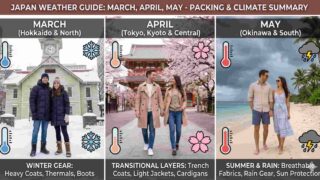
- Season: Autumn (October/November) offers perfect walking weather and beautiful ginkgo leaves along Omotesando avenue.
Conclusion
Harajuku in 2026 remains a paradox: it is simultaneously the most traditional and the most futuristic neighborhood in Tokyo. Whether you are bowing at the torii gates of Meiji Jingu, eating a rainbow-colored grilled cheese, or soaking in the rooftop baths of Harakado, you are participating in a culture that values expression above all else.
Don’t just walk through Harajuku—participate in it. Wear that colorful shirt you were too shy to wear at home. Eat the silly food. Take the photos. That is the spirit of the district.
Ready to plan the rest of your Tokyo adventure? Check out our [First Time in Harajuku: The Complete Beginner’s Guide to Tokyo’s Kawaii Hub] or read our deep dive on [Shinjuku vs. Shibuya: Where Should You Stay?].

