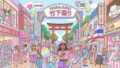




Are you ready to get scammed on Takeshita Street? Because if you walk into Harajuku blindly in 2026, that’s exactly what’s going to happen. You’ve seen the viral TikToks: the chaotic pastel aesthetics, the massive Y2K vintage hauls, and the massive platform boots stomping through Tokyo’s most famous fashion district. But here is the brutal, no-BS reality—Harajuku has changed. If you only stick to the main tourist drags and follow outdated travel blogs, you are going to leave with an empty wallet and a bag full of poorly made, fast-fashion knockoffs.
💡 Key Takeaways (TL;DR):
- Your Ultimate Harajuku Shopping Guide: Skip the main drag of Takeshita Street; the real authentic vintage and kawaii fashion treasures are hidden in the back alleys of Ura-Harajuku (Ura-Hara) and Cat Street.
- The Direct Answer: To find the best fashion in Harajuku, head straight to Laforet Harajuku for underground alternative brands, and explore the Ura-Hara district for curated 90s/Y2K thrift stores like Kinji and Dog Harajuku.
- Pro Tip: Japanese vintage stores restock on Thursdays and Friday mornings. Shop early on a Friday to get the best pieces before the Tokyo weekend crowds completely clear the racks out.
- Why this guide is unique: Written by a Tokyo local. Zero sponsorships, zero gatekeeping, and absolutely no sugarcoating. This is where the actual Japanese fashion kids are shopping in 2026.
ALSO READ: 10 Must-Do Things in Harajuku for First-Time Visitors (2026 Edition)
Navigating the District: Takeshita vs. Ura-Hara vs. Cat Street
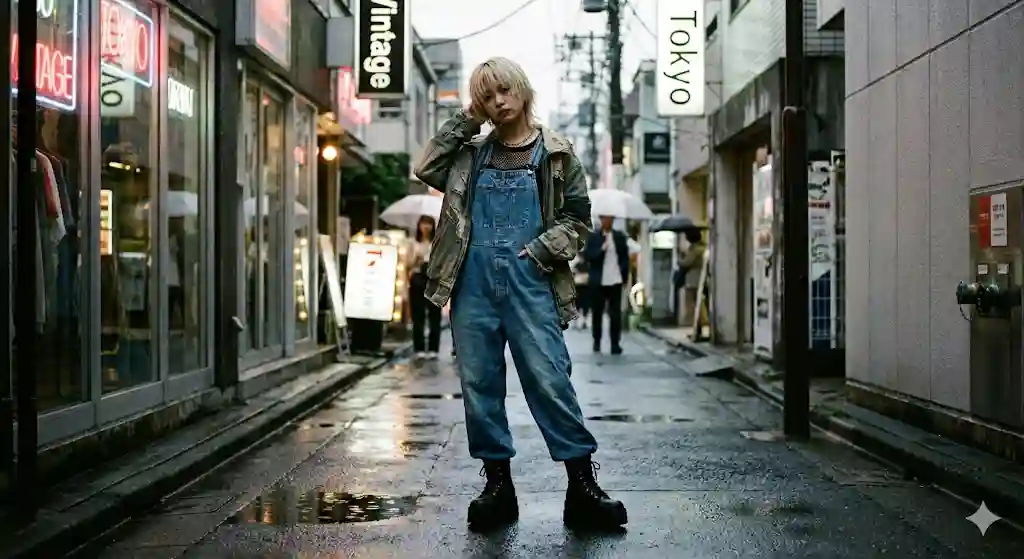
Before diving into specific shops, it is crucial to understand the geography of Harajuku. The area is divided into three distinct “vibes.”
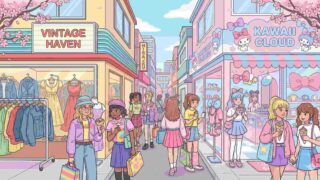
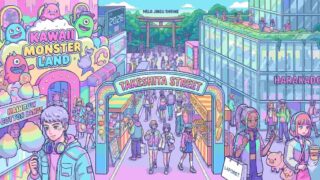
- Takeshita Street (Takeshita-dori): The famous pedestrian street. High energy, loud music, crepe stands, and aggressive touts. This is the hub for Kawaii fashion, accessories, and souvenirs. It is beginner-friendly but often crowded.
- Ura-Harajuku (The Backstreets): “Ura” means “back” or “behind.” This network of winding alleys behind Omotesando Hills is where the real fashion magic happens. This is the home of streetwear and vintage stores.
- Cat Street: The pedestrian walkway connecting Harajuku to Shibuya. It offers a mix of mainstream brands, high-end thrift shops, and hip cafes.
The Best Vintage Shops in Harajuku (Thrift & Secondhand)
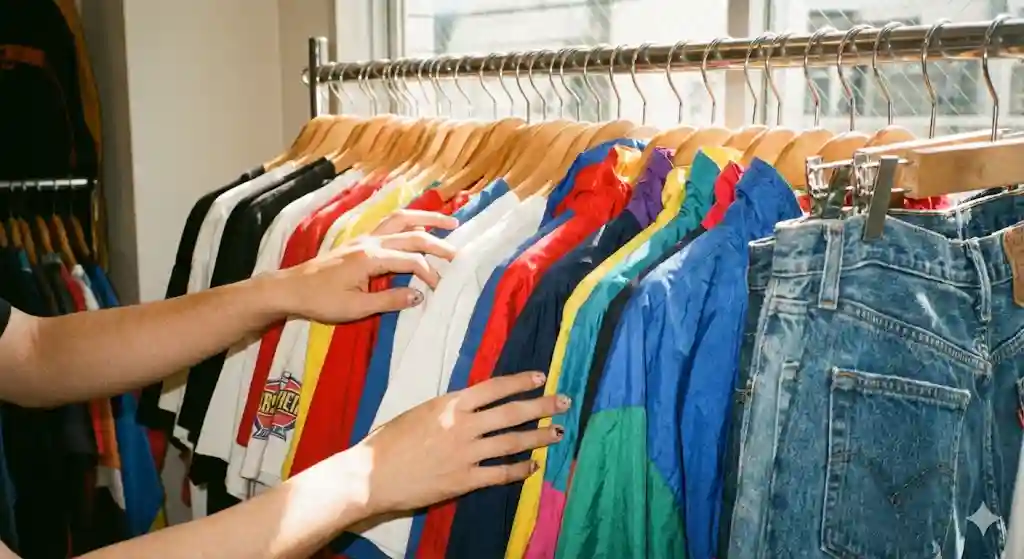
Tokyo’s vintage scene is arguably the best in the world due to the impeccable condition of the clothing. In Harajuku, “used” often looks brand new. Here are the top picks for thrift lovers.
1. Kinji Harajuku (The All-Rounder)
Located in the basement of the YM Square building, Kinji is a massive warehouse-style thrift store that is a rite of passage for any shopper. It is not curated by a specific decade, meaning you have to dig, but the prices are reasonable.
- Best For: 80s jackets, reworked denim, and pastel aesthetics. They also have a large section for kimonos and haori jackets at budget prices.
- Insider Tip: Look for their “remake” section where they customize vintage pieces into modern silhouettes.
- Website: http://www.kinji.jp/
- Google Maps: Kinji Harajuku Location
2. Chicago (Harajuku / Omotesando Store)
Chicago is a staple in the Harajuku thrift store circuit. Recognizable by its red and white neon sign, it offers a distinct mix of American imports and traditional Japanese wear.
- Best For: Vintage denim (Levi’s 501s), flannel shirts, and an extensive selection of affordable vintage Kimonos and Yukatas (perfect for souvenirs).
- Price Range: Low to Mid.
- Website: https://www.chicago.co.jp/
- Google Maps: Chicago Harajuku Location
3. Ragtag (Designer Secondhand)
If you are looking for luxury brands at a fraction of the retail price, Ragtag on Cat Street is essential. This is not a dusty bin store; it looks like a high-end boutique.
- Best For: Secondhand designer clothing. Expect to find Comme des Garçons, Yohji Yamamoto, Supreme, Vivienne Westwood, and Maison Margiela.
- Quality Check: Items are graded (S, A, B, C). “B” rank usually has no visible flaws to the naked eye.
- Website: https://www.ragtag.jp/
- Google Maps: Ragtag Harajuku Location
4. Santa Monica (The Indie Favorite)
Santa Monica offers a cleaner, more curated “white room” aesthetic. The buyers here have an excellent eye for clean, wearable vintage that fits modern trends.
- Best For: Creamy colored knits, pristine military liners, and oversized sweatshirts.
- Location Note: It’s tucked away in Ura-Hara, making it a quieter shopping experience.
- Website: https://santamonica.jp/
- Google Maps: Santa Monica Harajuku Location
5. 2nd Street (Harajuku Branch)
A chain store found all over Japan, but the Harajuku branch is stocked specifically for the fashion-forward crowd.
- Best For: Modern streetwear brands (Supreme, A Bathing Ape) and hype sneakers.
- Website: https://www.2ndstreet.jp/
- Google Maps: 2nd Street Harajuku Location
Top Kawaii Fashion Brands & Subculture Stores
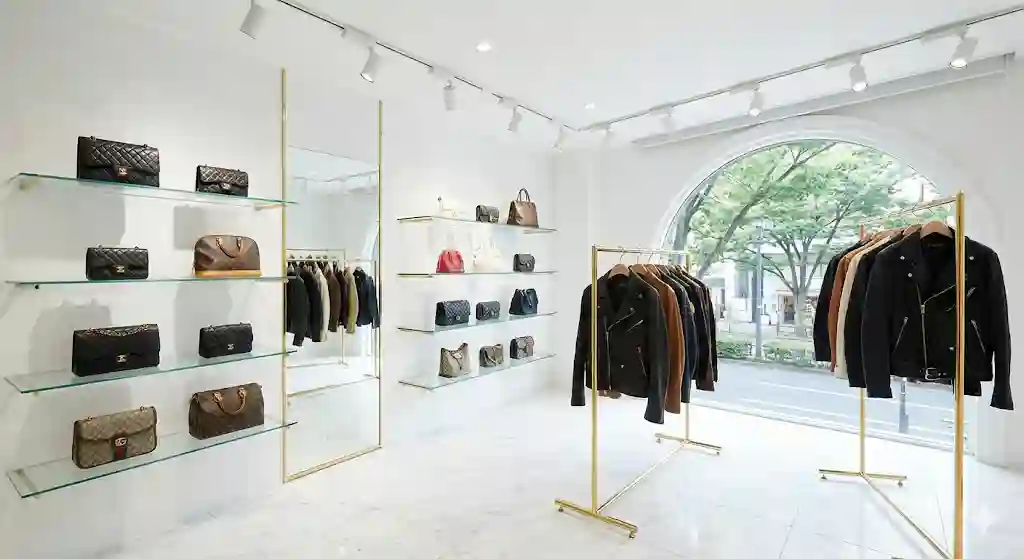
For those seeking the “Harajuku look”—colorful, expressive, and distinct—these shops define the Kawaii fashion movement.
1. 6%DOKIDOKI (The Icon)
Founded by Sebastian Masuda, the “godfather of kawaii,” this shop is an explosion of sensory overload. It is the spiritual home of the “Decora” style.
- The Vibe: Psychedelic colors, plastic toys, and upbeat music.
- Best For: Statement accessories, colorful tights, and “sensational kawaii” clothing. Even if you don’t buy anything, visiting is a cultural experience.
- Website: https://6dokidoki.com/
- Google Maps: 6%DOKIDOKI Location
2. ACZ (Formerly WC)
Located on Takeshita Street, this shop captures the trendy side of pastel fashion. It is popular with Japanese teenagers and K-pop fans.
- Best For: Pastel pleated skirts, oversized hoodies with cute character prints, and platform shoes.
- Website: https://wego.jp/ (Part of the WEGO group)
- Google Maps: WC Harajuku Location
3. Angelic Pretty (Lolita Fashion)
For Lolita fashion stores in Harajuku, Angelic Pretty is the gold standard for the “Sweet Lolita” sub-genre.
- The Vibe: The interior looks like a dollhouse.
- Best For: High-quality jumperskirts (JSK) featuring original prints of cakes, teddy bears, and ribbons.
- Note: Photography inside is usually prohibited to protect the designs.
- Website: https://angelicpretty.com/
- Google Maps: Angelic Pretty Location
4. Listen Flavor (Pastel Goth/Punk)
If your aesthetic leans closer to “Yami Kawaii” (sick-cute) or rock-inspired styles, Listen Flavor is the destination.
- Best For: T-shirts with edgy anime graphics, harnesses, studded chokers, and plaid skirts. They frequently collaborate with Sanrio (e.g., Kuromi collaborations).
- Website: https://listenflavor.com/
- Google Maps: Listen Flavor Location
Japanese Streetwear & Sneaker Hubs
Harajuku is the birthplace of legendary Japanese streetwear brands.
1. atmos (Blue & Pink Locations)
atmos is a global titan in sneaker culture, but the Harajuku flagship is special.
- Best For: Japan-exclusive Nike/Adidas releases and limited edition collaborations.
- Website: https://www.atmos-tokyo.com/
- Google Maps: atmos Harajuku Location
2. GR8 (Laforet Harajuku)
Located inside the Laforet department store (which is a shopping guide in itself), GR8 is one of the most influential boutiques in the world.
- Best For: Avant-garde high fashion and cutting-edge streetwear designers.
- Website: https://gr8.jp/
- Google Maps: Laforet Harajuku Location
Practical Shopping Tips for Harajuku
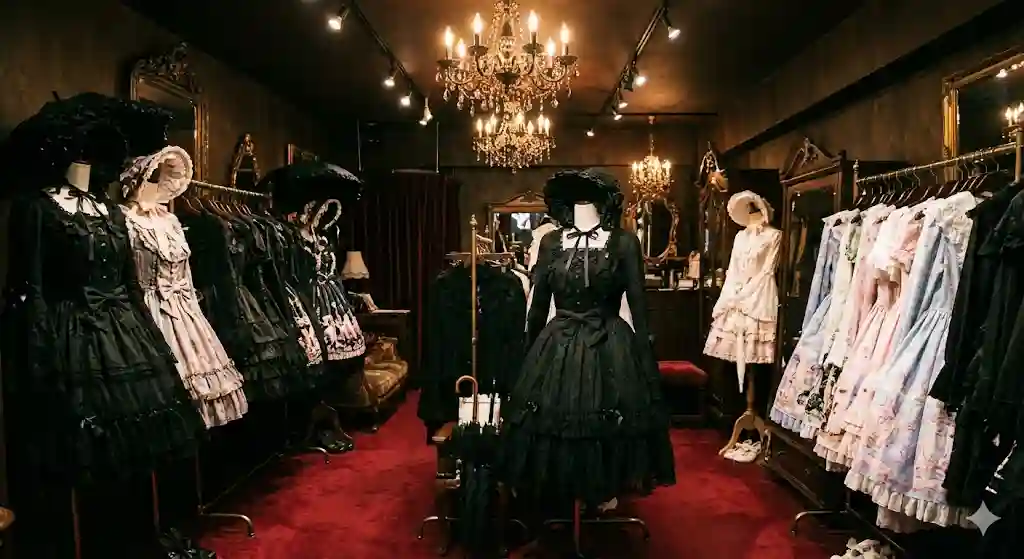
To make the most of your Harajuku shopping guide, keep these logistical tips in mind.
1. Tax-Free Shopping
Most major stores (like Kinji, Chicago, Laforet) offer tax-free shopping for tourists if you spend over 5,500 JPY (approx. $35-40 USD).
- Requirement: You must have your physical passport with your entry stamp. Photos of passports are generally not accepted.
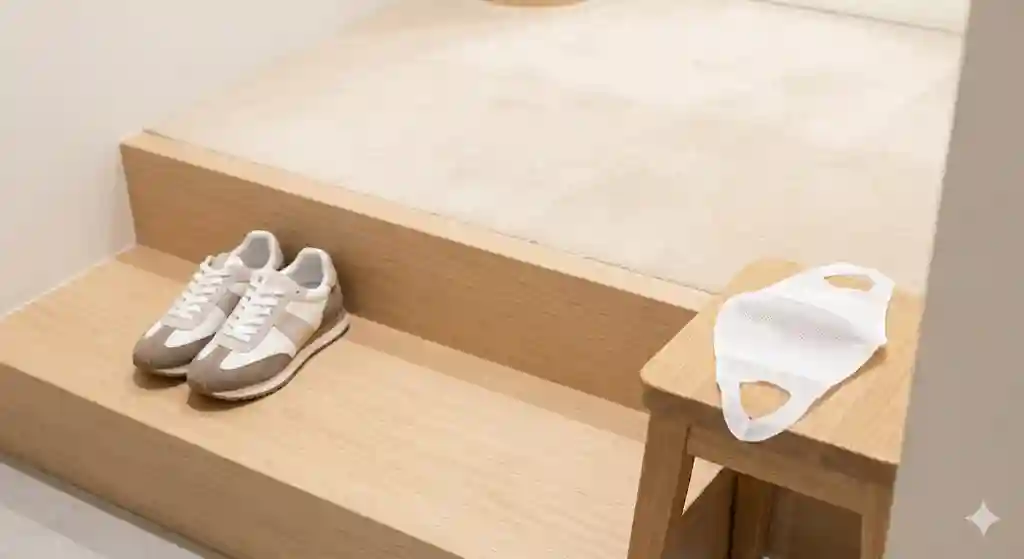
2. The “Face Cover” Rule
When trying on clothes in Japan, specifically tops that pull over the head, you will be handed a sheer, non-woven face cover.
- Etiquette: You must wear this over your head before putting on the garment. This prevents makeup or sweat from staining the clothes.
3. Shoe Etiquette
In almost all fitting rooms, you must remove your shoes before stepping onto the carpeted area. Look for the raised platform or the designated slipper area.
4. Sizing
Japanese sizing runs smaller than US/EU sizing.
- “Free Size” (F): This usually corresponds to a US Small/Medium.
- Vintage Sizing: Be careful with vintage pieces; a 90s “Medium” fits differently than a modern “Medium.” Always try it on.
Best Places to Eat After Shopping
Shopping in Ura-Hara is cardio. Refuel at these spots:
- Harajuku Gyoza Lou: Famous, affordable dumplings. Expect a line, but it moves fast.
- Marion Crepes: The classic Takeshita street experience.
- Sakura-tei: An artistic Okonomiyaki restaurant where you cook your own food.
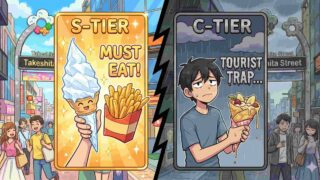
Harajuku Street Food Tier List 2026: S-Tier vs. Traps
Conclusion
Harajuku remains an ever-evolving landscape of style. Whether you are digging through the racks at Kinji for a one-of-a-kind jacket or stepping into the pastel dreamworld of 6%DOKIDOKI, the district offers something for every fashion sensibility.
By venturing beyond the crowded main street and exploring the Ura-Harajuku hidden gems, you will discover the true spirit of Tokyo fashion. Remember to bring your passport for tax-free perks, wear comfortable shoes for walking Cat Street, and leave extra space in your suitcase—you are going to need it.