

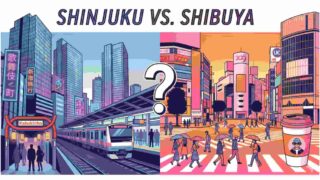








Tokyo is a city of distinct villages, but two giants loom larger than the rest when it comes to choosing a base for your travels: Shinjuku and Shibuya.
For the first-time visitor, these two major wards can look deceptively similar on a map. Both are major transportation hubs on the Yamanote Line. Both are neon-drenched centers of commerce, dining, and entertainment. And both offer that quintessential “Blade Runner” aesthetic that travelers dream of.
However, the difference between staying in Shinjuku vs. Shibuya can completely alter the rhythm of your trip.
As a travel expert who has navigated these streets for over a decade, I’m going to break down the “Shinjuku vs. Shibuya” debate. We will look beyond the surface level and analyze accessibility, hotel prices, nightlife culture, safety, and the “morning after” vibe to ensure you book the hotel that fits your travel style.
Next Step: Want to survive Shinjuku’s wildest district? Check the full guide here.
👉 Kabukicho Survival Guide 2026: Safety Rules, Best Izakaya & Hidden Gems
- The “Vibe” Check: Corporate Neon vs. Youthful Energy
- Transportation Wars: Which Hub Connects Better?
- Accommodation Breakdown: Hotels in Shinjuku vs. Shibuya
- Dining and Nightlife: Golden Gai vs. Nonbei Yokocho
- Safety and Crowds: Is Kabukicho Safe?
- Shopping: Department Stores vs. Street Trends
- The Final Verdict: Which One Wins?
The “Vibe” Check: Corporate Neon vs. Youthful Energy
Before we talk about train lines or hotel square footage, we need to address the atmosphere. Your hotel is where you start and end your day; the energy of the streets outside your lobby matters.
Shinjuku: The Gritty Skyscraper Metropolis
Shinjuku is the Tokyo you see in movies. It is raw, intense, and massively vertical. It is a tale of two cities:
- West Shinjuku (Nishi-Shinjuku): This is the skyscraper district. It is home to the Tokyo Metropolitan Government Building and high-end luxury hotels like the Park Hyatt. It is quiet, clean, and corporate.
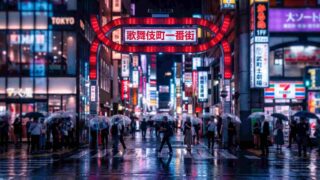
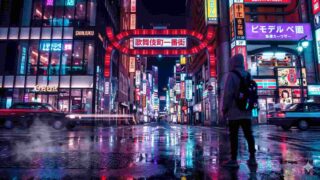
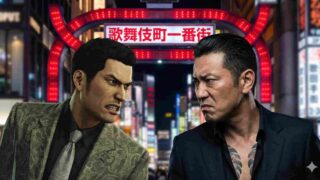
- East Shinjuku (Kabukicho & Sanchome): Walk ten minutes east, and you enter the chaotic, neon jungle of Kabukicho (the Red Light District) and the drinking alleys of Golden Gai.
Choose Shinjuku if: You want the cyberpunk aesthetic, late-night drinking in narrow alleys, and easy access to day trips outside Tokyo.
Shibuya: The Fashionable Heart of Youth Culture
Shibuya feels newer, trendier, and more energetic. While Shinjuku feels like a “city for adults and salarymen,” Shibuya is the playground of Tokyo’s youth. The architecture here is undergoing a massive transformation with slick new complexes like Shibuya Scramble Square and Miyashita Park. It feels less gritty than Shinjuku and more focused on fashion, pop culture, and cafes.
Choose Shibuya if: You want to be close to the coolest cafes, modern shopping, and a vibrant, younger nightlife scene.
Transportation Wars: Which Hub Connects Better?
In the battle of Shinjuku vs. Shibuya, transportation is the most critical logistical factor. Both stations are on the JR Yamanote Line (the loop line that connects major tourist spots), but there are nuances.
Shinjuku Station: The Ultimate Hub (With a Catch)
Shinjuku Station is the busiest train station in the world, handling over 3.5 million passengers a day.
- Pros: It connects to everything. The Chuo Line gets you to Tokyo Station or Mt. Takao rapidly. The Odakyu Line is the gateway to Hakone (hot springs). The JR Saikyo Line whisks you to Ikebukuro.
- The “Busta” Advantage: Shinjuku is home to “Busta Shinjuku,” the massive expressway bus terminal. If you plan on taking buses to Mt. Fuji, Disneyland, or the Japanese Alps, staying in Shinjuku saves you a massive headache.
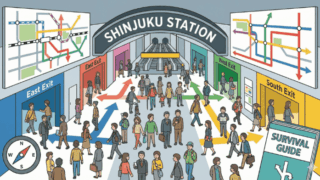
- Cons: The station is a labyrinth. It is famously easy to get lost. Navigating from the West Exit to the East Exit can take 15 minutes if you don’t know the route.
Shibuya Station: The Modern Connector
Shibuya Station has recently undergone massive renovations, making it much easier to navigate than Shinjuku.
- Pros: It is the terminal for the Keio Inokashira Line, which takes you to Shimokitazawa (the vintage/hipster district) in minutes. It also offers direct access to the Ginza Line (for Asakusa/Ueno) and the Hanzomon Line (for Skytree).
- Cons: It doesn’t have the same level of long-distance rail connectivity as Shinjuku. You will likely have to transfer to get to the Shinkansen (Bullet Train).
Expert Tip: If you are using the Narita Express (N’EX) from the airport, it stops at both stations. However, for Haneda Airport, Shibuya is slightly faster via the Keikyu line transfer at Shinagawa.
Accommodation Breakdown: Hotels in Shinjuku vs. Shibuya
Alt Text: Comparison of a spacious luxury suite view in West Shinjuku versus a modern, compact boutique hotel room in Shibuya.
Staying in Shinjuku: Luxury and Variety
Shinjuku has a higher volume of hotels, particularly large-scale luxury and standard “business hotels.”
- Luxury: The Park Hyatt Tokyo and Hilton Tokyo dominate the skyline in West Shinjuku. These offer massive rooms and shuttle buses to the station.
- Mid-Range: The area around Shinjuku-sanchome offers great value, such as the Hotel Gracery Shinjuku (the one with the Godzilla head).
- Price Point: Generally, you can find slightly cheaper budget options in Shinjuku (Kabukicho area) than in central Shibuya due to the sheer volume of competition.
Staying in Shibuya: Boutique and Trendy
Shibuya’s hotel scene is younger and more design-focused.
- Luxury/High-End: The Cerulean Tower Tokyu Hotel is the grand dame here, offering incredible views of Mt. Fuji on clear days. The new Sequence Miyashita Park offers a very modern, “cool” stay integrated with a park and mall.
- Mid-Range: Hotels here tend to be “lifestyle” oriented—smaller rooms, but cooler lobbies and better coffee. The Millennials Shibuya is a high-end capsule hotel experience that fits the neighborhood perfectly.
- Price Point: Shibuya averages slightly higher per square meter because there are fewer large hotels compared to Shinjuku.
Dining and Nightlife: Golden Gai vs. Nonbei Yokocho
Food is likely the second reason you came to Japan. Both districts offer endless options, but the style of dining differs.
Shinjuku Nightlife: The Izakaya Alleys
Shinjuku is famous for its “Yokocho” (alleyway) culture.
- Omoide Yokocho (Piss Alley): Smoky, crowded, and authentic. Perfect for yakitori and beer.
- Golden Gai: A collection of over 200 tiny bars crammed into a few city blocks. This is a unique cultural experience you cannot find in Shibuya.
- Kabukicho: Endless neon, robot restaurants, and hostess clubs. It’s loud and in-your-face.
Shibuya Nightlife: Clubs and Cafes
Shibuya is the clubbing capital of Asia.
- Clubs: Womb, TK, and Harlem attract world-class DJs. If you plan to dance until the first train at 5:00 AM, stay in Shibuya to avoid the expensive taxi ride home.
- Nonbei Yokocho: Shibuya’s answer to Golden Gai. It is right next to the train tracks—smaller and slightly more polished than Shinjuku’s alleys, but just as atmospheric.
- Cafe Culture: Shibuya has a vastly superior coffee and brunch scene for the mornings.
Safety and Crowds: Is Kabukicho Safe?
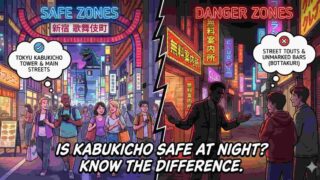
This is a common question. Tokyo is one of the safest cities in the world, but Kabukicho in Shinjuku is the one area where “touts” (street promoters) can be aggressive.
- Shinjuku Warning: In Kabukicho, never follow a tout into a bar. This is the #1 rule. Staying in West Shinjuku avoids this entirely, but if your hotel is in Kabukicho, you will walk through this energy every night.
- Shibuya Safety: Shibuya is incredibly crowded, but it generally feels safer at night. The crowds are mostly young people hanging out, rather than the “adult entertainment” vibe of Kabukicho.
Shopping: Department Stores vs. Street Trends
- Shinjuku Shopping: It is Department Store heaven. Isetan, Takashimaya, and Lumine are massive complexes where you can buy everything from luxury brands to basement gourmet food (Depachika). It is efficient and high-end.
- Shibuya Shopping: Shibuya is about street fashion and variety. Parco Shibuya (home to the Nintendo Store and Pokémon Center) is a geek-culture paradise. Mega Don Quijote in Shibuya is arguably the best in the city for souvenirs.
The Final Verdict: Which One Wins?
To summarize the Shinjuku vs. Shibuya decision, here are the scenarios:
Choose Shinjuku If:
- [Internal Link to ‘Best Day Trips from Tokyo’] You plan on taking many day trips (Hakone, Mt. Fuji, Kamakura) and want the easiest transport connections.
- You prefer large, Western-style luxury hotels with airport limousine bus access.
- You want the gritty, “Lost in Translation” nightlife experience of Golden Gai.
- You are comfortable navigating complex train stations.
Choose Shibuya If:
- You are younger (or young at heart) and want to be in the center of fashion and trends.
- You plan to spend your nights clubbing or hopping between trendy bars.
- You want easy access to Harajuku, Omotesando, and Shimokitazawa.
- You want a slightly more walkable, pedestrian-friendly environment immediately outside your hotel.
Conclusion
Ultimately, there is no wrong choice between Shinjuku and Shibuya. They are only 7 minutes apart by train on the Yamanote Line. However, choosing the right base for your personality will make your trip smoother.
If you crave the chaotic energy and transport dominance, Shinjuku is your fortress. If you want the pulse of pop culture and a modern vibe, Shibuya is your playground.