
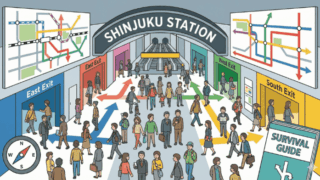


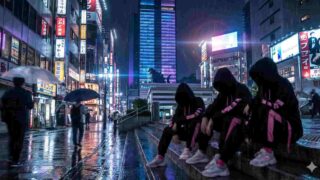
Shinjuku is the beating heart of Tokyo—a chaotic, electrifying, and overwhelmingly vertical district that serves as the world’s busiest transport hub. For many travelers, Shinjuku is Tokyo. It is where the cyberpunk aesthetic of Blade Runner meets the serene tradition of imperial gardens. But with over 3.5 million passengers passing through Shinjuku Station daily, navigating this concrete labyrinth can be intimidating.
This comprehensive 1-day Shinjuku walking itinerary is designed to cut through the chaos. Whether you are a photographer chasing neon-soaked rain shots, an anime fan hunting for Jujutsu Kaisen locations, or a foodie ready to dive into smoky alleyways, this guide will ensure you see the very best of Shinjuku without getting lost in the station (well, not too lost).
In this guide, we will cover the skyscraper district of the West, the lush oasis of Shinjuku Gyoen, the anime haven of the East, and the sleepless entertainment district of Kabukicho.
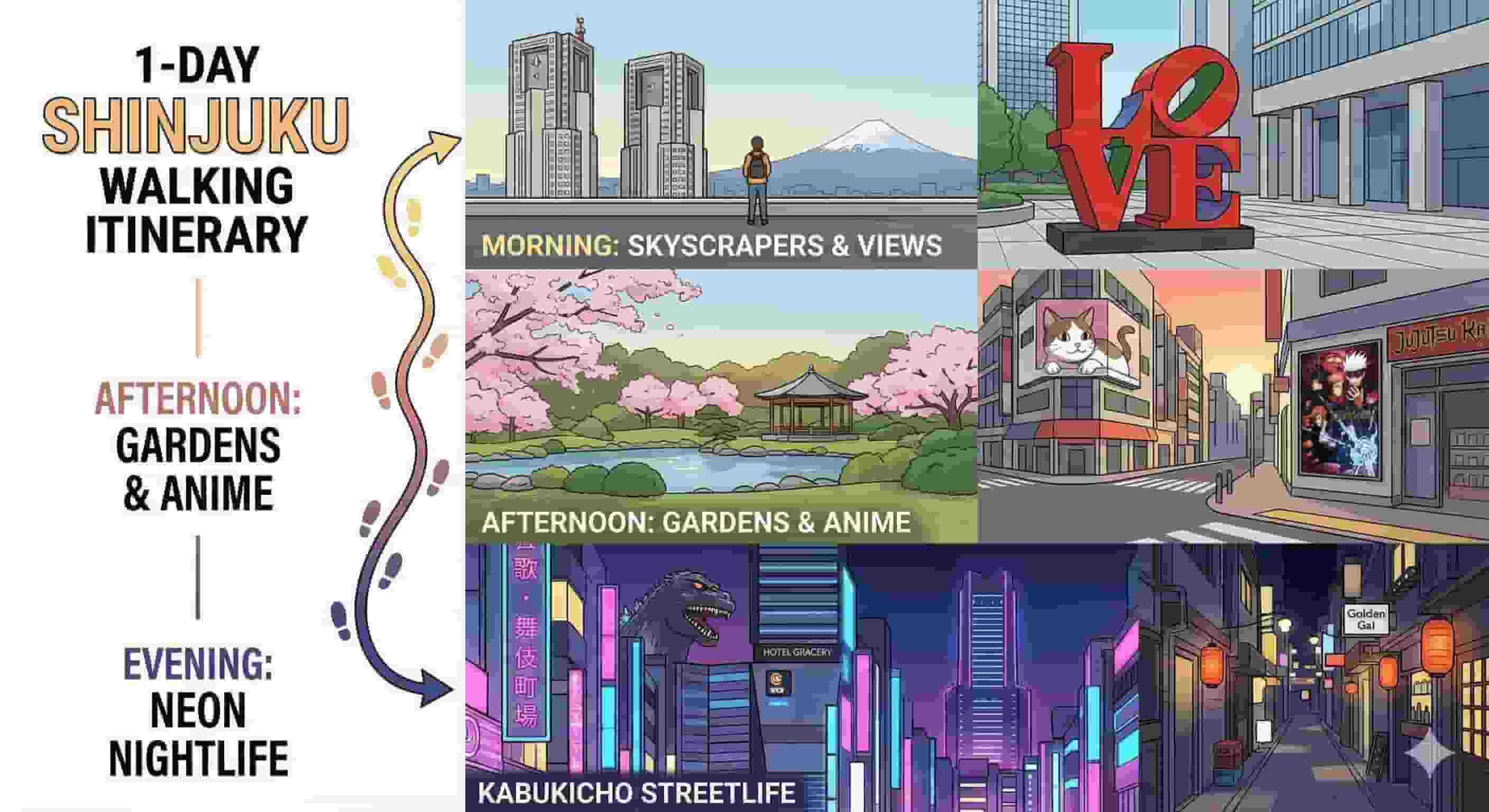
- 1-Day Shinjuku Itinerary Overview
- Morning: The Concrete Jungle & Free Views (West Exit)
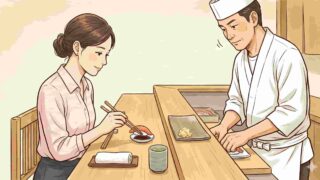
- Lunch: Slurping Noodles or Sushi Conveyors
- Afternoon: Imperial Gardens & The 3D Cat (East & South)
- Late Afternoon: Jujutsu Kaisen Pilgrimage
- Evening: Kabukicho – The District That Never Sleeps
- Night: Golden Gai & Omoide Yokocho
- Conclusion: Conquering Shinjuku
- Frequently Asked Questions (FAQ)
1-Day Shinjuku Itinerary Overview
- Morning: West Shinjuku Skyscrapers & Panoramic Views
- Lunch: Authentic Udon or Sushi
- Afternoon: Shinjuku Gyoen National Garden & Shopping
- Late Afternoon: Anime Pilgrimage (Jujutsu Kaisen Spots) & 3D Cat
- Evening: Kabukicho & Tokyu Kabukicho Tower
- Night: Golden Gai & Omoide Yokocho
Morning: The Concrete Jungle & Free Views (West Exit)
Start your day at the JR Shinjuku Station West Exit. The West side (Nishi-Shinjuku) is the business district, dominated by massive skyscrapers that showcase Tokyo’s architectural ambition.
1. The LOVE Object
Kick off your walk at the famous LOVE Object by Robert Indiana. Located in front of the Shinjuku I-Land Tower, this iconic red sculpture is a classic photo spot.
- Why go: It’s a recognizable landmark often featured in Japanese dramas and films.
- Photo Op: Stand between the V and E for the classic shot. It’s less crowded in the morning.
- Directions: Walk about 10 minutes from the West Exit via the moving walkways towards the skyscrapers.
2. Tokyo Metropolitan Government Building
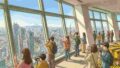
Forget the paid observation decks like Shibuya Sky for a moment; the Tokyo Metropolitan Government Building (Tocho) offers one of the best views in the city for free.
- Why go: The observation decks on the 45th floor (202 meters high) provide panoramic views of Tokyo. On a clear winter morning, you can see Mount Fuji looming behind the urban sprawl.
- What to do: Take the elevator to the South or North Observation Deck (check which is open, as they alternate).
- Pro Tip: There is a piano in the South Observation Deck painted by artist Yayoi Kusama. If you are lucky, you might catch a local virtuoso playing anime covers.
- Gen Z Note: This building is often colloquially called the “Tocho” and features heavily in anime like Digimon Tamers.
3. Shinjuku Central Park (Chuo Koen)
Located right behind the Government Building, this is a slice of greenery amidst the steel giants. It’s significantly quieter than other parks.
- Why go: Visit the Kumano Shrine located at the corner of the park. It’s a surreal contrast to see a traditional Shinto shrine flanked by futuristic towers.
Lunch: Slurping Noodles or Sushi Conveyors
By now, you will have worked up an appetite. Head back towards the station area.
Option A: Udon Shin (The Viral Hit)
If you are willing to queue, Udon Shin offers some of the best udon in Tokyo. Their Carbonara Udon with tempura bacon and parmesan is legendary.
- Warning: The wait can be 1-2 hours. Use their ticket system and explore nearby while you wait.
Option B: Conveyor Belt Sushi (Kaitenzushi)
For a faster, fun experience, try Numazuko near the West Exit. The quality is high for a conveyor belt place, with generous toppings that spill over the rice.
Afternoon: Imperial Gardens & The 3D Cat (East & South)
Cross via the “Koshu-Kaido” underpass to the South/East side of Shinjuku.
4. Shinjuku Gyoen National Garden
Escape the noise at Shinjuku Gyoen, one of Tokyo’s largest and most beautiful parks.
- Why go: Originally an imperial garden, it blends French Formal, English Landscape, and traditional Japanese garden styles.
- Anime Connection: This park is the primary setting for Makoto Shinkai’s stunning film The Garden of Words (Kotonoha no Niwa). Fans flock to the pavilion near the Taiwan Pavilion to recreate the rainy scenes.
- Entrance Fee: 500 yen.
- Pro Tip: Alcohol is prohibited, but you can bring a bento box for a picnic on the expansive lawns.
5. Shinjuku-Sanchome & Shopping
Exit the park via the Shinjuku Gate and head into Shinjuku-sanchome. This area is a shopping paradise featuring:
- Isetan Shinjuku: The queen of Japanese department stores. Visit the Depachika (basement food hall) for a visual feast of high-end sweets and bento boxes.
- BicCamera / Yodobashi Camera: For all your tech and gadget needs.
- Don Quijote (Donki): Visit the massive Don Quijote Shinjuku East Exit store for chaotic souvenir shopping, KitKats, and skincare.
6. Cross Shinjuku Vision (The 3D Cat)
Walk towards the East Exit station square to see the Giant 3D Cat (Tortoiseshell cat) that lives on a curved billboard atop a building.
- What is it: A hyper-realistic 4K 3D animation of a cat that wakes up, meows at the crowd, and naps.
- Photo Op: The best angle is from the Moa 2nd Street entrance. Wait for the “waking up” sequence which happens every 15 minutes.
Late Afternoon: Jujutsu Kaisen Pilgrimage
For fans of the hit anime/manga Jujutsu Kaisen (JJK), Shinjuku is holy ground, especially considering the “Shinjuku Showdown” arc.
7. The “KFC” Spot (Near South Exit)
While it sounds mundane, the KFC outside the South Exit is iconic for JJK fans as the location of the breakup scene between Satoru Gojo and Suguru Geto in Jujutsu Kaisen 0 and the Hidden Inventory arc.
- Location: Exit the South Gate, turn right, and look for the KFC near the Lumine 1 building. You will likely see other fans taking photos of the sign.
8. Shinjuku Station East Exit Plaza
This bustling plaza is often featured in establishing shots for many anime series. Stand here and soak in the energy of the “world’s busiest station.”
Evening: Kabukicho – The District That Never Sleeps
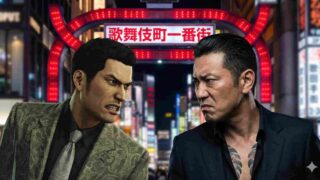
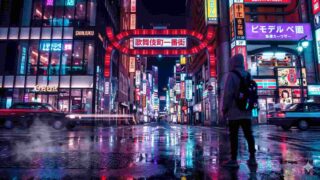
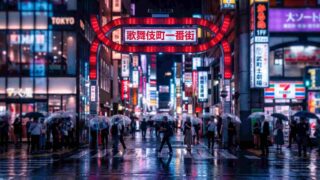
As the sun sets, the neon lights flicker on. Walk north from the East Exit into Kabukicho, Japan’s largest red-light and entertainment district.
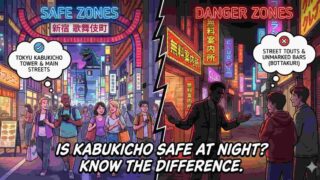
- Safety Note: Kabukicho is generally safe, but avoid following touts (people on the street trying to pull you into their bar). Ignore them completely and walk with purpose.
9. Godzilla Head (Hotel Gracery)
Towering over the Toho Cinemas building is a life-size head of Godzilla.
- What to see: Every hour on the hour (from 12:00 to 20:00), Godzilla’s eyes light up, smoke shoots from his mouth, and he roars.
- Photo Op: The view from the main street (Central Road) looking straight up at Godzilla is the classic postcard shot.
10. Tokyu Kabukicho Tower
The newest addition to the skyline is the massive Tokyu Kabukicho Tower, an entertainment skyscraper dedicated to nightlife, gaming, and cinema.
- Why go: It captures the “Cyberpunk Tokyo” vibe perfectly.
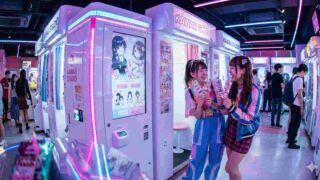
- Namco Tokyo (3F): A neon-drenched arcade bar with massive gachapon walls and AI DJs.
- Shinjuku Kabuki Hall (2F): An evocative food court (“Yokocho”) designed to look like a retro-futuristic festival. It’s visually stunning with lanterns and neon signs everywhere.
- Zepp Shinjuku: A live music venue in the basement levels.
[The Best Free View in Tokyo: Visiting the Shinjuku Metropolitan Government Building]
Night: Golden Gai & Omoide Yokocho
End your night with a drink in one of Shinjuku’s atmospheric drinking alleys.
11. Shinjuku Golden Gai
Just a few minutes from Kabukicho lies Golden Gai, a miraculous preservation of post-war Tokyo. It consists of six narrow alleys packed with over 200 tiny bars, most seating only 4-6 people.
- The Vibe: Intimate, eccentric, and artistic. Many bars have themes (punk rock, cinema, literature).
- Cover Charge: Most bars charge a “cover” (500-1000 yen). Look for signs saying “No Cover” or “Tourists Welcome” if you are hesitant.
- Etiquette: Because bars are tiny, do not linger too long if people are waiting, and keep your voice down outside (it’s a residential area).
12. Omoide Yokocho (Piss Alley)
Loop back towards the West Exit to finish at Omoide Yokocho (Memory Lane), historically known as “Piss Alley.”
- The Scene: Lantern-lit alleys filled with smoke from yakitori grills. It feels like stepping back into the Showa era (1950s).
- What to eat: Yakitori (grilled chicken skewers) and Motsuyaki (grilled offal) accompanied by a cold beer or Highball.
- Photo Op: The entrance with the green and yellow leaf decorations (or sakura in spring) is one of the most Instagrammed spots in Tokyo.
Conclusion: Conquering Shinjuku
Shinjuku is a sensory overload in the best way possible. In a single day, you have traveled from the serene lawns of the Imperial Garden to the neon excess of Kabukicho. You have seen Godzilla, paid homage to anime history, and likely walked over 20,000 steps.
Shinjuku rewards the curious. While this itinerary covers the major hits, don’t be afraid to duck into a random building or explore a side street. That is where the real magic of Tokyo is often found.
Next Step: Ready to dive deeper into Tokyo’s nightlife? Check out our detailed guide to Shibuya’s Hidden Bars > 7 Best Bars in Shibuya to Visit
Frequently Asked Questions (FAQ)
Is Shinjuku safe at night?
Yes, Shinjuku is generally safe. However, Kabukicho is a red-light district. You will see “touts” trying to get you to enter bars—do not follow them. Stick to places you have researched or reputable spots like Golden Gai and Tokyu Kabukicho Tower.
How much time do I need in Shinjuku Gyoen?
Allocate at least 1.5 to 2 hours. The park is massive (144 acres) and you will want to take your time walking between the Japanese Garden, the French Formal Garden, and the Greenhouse.
Can I see Mount Fuji from the Tokyo Metropolitan Government Building?
Yes, but only on clear days, usually in the morning during winter months (November to February). In summer, humidity often obscures the view.