
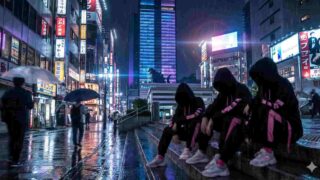





Shinjuku is, in a word, the heart of Tokyo. It beats without rest, 24 hours a day, constantly pumping people like blood—sending them out, taking them in, perpetually renewing itself.
Centered around the world’s busiest train station, this extraordinarily multi-layered city harmoniously blends towering skyscrapers in its business district, Asia’s largest entertainment district, vast parks enveloped in tranquility, and back alleys steeped in the lingering atmosphere of the Showa era. To understand Shinjuku is to grasp the complexity and energy of modern Japan.
We present the ultimate guide for foreign travelers to enjoy this vast labyrinth and touch its very essence.
- Guinness World Record-holding Giant Maze: Shinjuku Station
- The Lights and Shadows of the City That Never Sleeps: Kabukicho
- Time-Slip Alleys: Omoide Yokocho and Golden Gai
- Skyscrapers Reaching for the Sky: Nishi-Shinjuku
- An Urban Oasis: Shinjuku Gyoen
- The World’s Ultimate Shopping Experience
- Symbol of Diversity: Shinjuku Ni-chome
- A Kaleidoscope of Gourmet Delights
- 5 Tips for Smart Travel in Shinjuku
- In closing
1. Guinness World Record-holding Giant Maze: Shinjuku Station
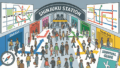
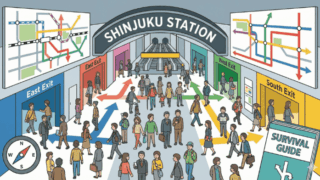
Your journey through Shinjuku begins at Shinjuku Station. Handling over 3.5 million passengers daily and recognized by Guinness World Records, this station is more than just a transportation hub—it’s a city unto itself.
The Fun of Navigating the Maze
JR, subway, private railways, and many other lines crisscross here, with over 200 exits. Even Japanese locals often find themselves saying, “I meant to exit West, but ended up at East.” But fear not. The station is equipped with the latest digital signage and information centers. Try to enjoy getting lost as part of the “Shinjuku experience.”
Recently, a new direct passage connecting east and west opened, dramatically improving access. Department stores and station buildings like Lumine and Newoman, directly connected to the station, gather trends from all over Japan.
2. The Lights and Shadows of the City That Never Sleeps: Kabukicho
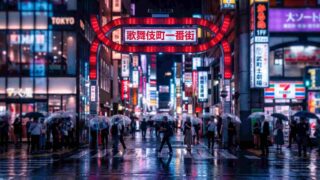
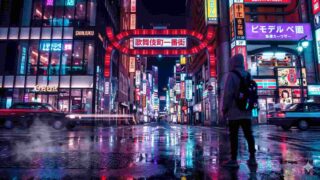
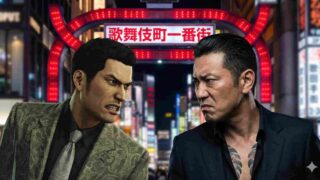
Spanning east of the station, Kabukicho is one of Asia’s largest entertainment districts. Passing through the massive red gate (Kabukicho Ichiban-gai), you enter an alternate world aglow with neon lights day and night.
Godzilla and the Latest Spots
A symbol of this area is the life-sized Godzilla head peering out from the rooftop of the Shinjuku Toho Building. Godzilla roars at scheduled times, making it a prime photo spot.
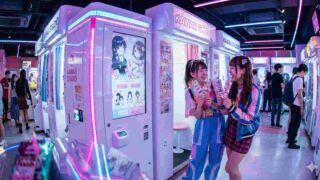
Additionally, the **Tokyu Kabukicho Tower**, opened in 2023, is one of Japan’s largest entertainment complexes, standing 225 meters tall. Inside, you’ll find the futuristic festival-themed food hall “Shinjuku Kabuki Hall,” along with movie theaters, a theater, a live hall, and the latest game center—a space that encapsulates Japan’s current pop culture.
Enjoying Safely
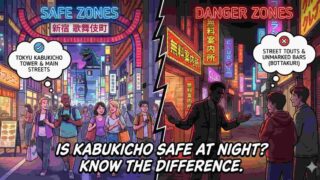
While Kabukicho is an exciting district, caution is also necessary. Avoid following street promoters (catchers) and choose establishments based on reliable word-of-mouth sites or official guides—this is the smart way to enjoy the night.
3. Time-Slip Alleys: Omoide Yokocho and Golden Gai
Amidst Shinjuku’s skyscrapers and cutting-edge LCD screens, a miraculously preserved postwar enclave remains. This is the very area that captivates countless foreign tourists.
Omoide Yokocho (Shonben Yokocho)
Along the overpass near Shinjuku Station’s West Exit, **Memory Alley** is a narrow lane packed with about 80 small yakitori joints and izakayas. The smoke and savory aroma wafting from the shop fronts, the counters so narrow you brush shoulders with the person next to you. Here, even if you don’t speak the language, a cold beer and freshly grilled skewers are enough to clink glasses with a stranger.
Shinjuku Golden Gai
Tucked away in a corner of Kabukicho, **Golden Gai** is a cultural sanctuary where literary giants and film directors once debated late into the night. Over 200 unique, tiny bars line the maze-like streets, now attracting travelers from around the world. Each bar has its own theme—like “Jazz,” “Film,” or “Punk”—and chatting with the master (bar owner) is part of the fun.
4. Skyscrapers Reaching for the Sky: Nishi-Shinjuku
Walking around to the west side of the station, the scenery changes dramatically. Here lies a business district with orderly roads and towering skyscrapers piercing the clouds.
Tokyo Metropolitan Government Building and its Free Observatory
The landmark of Nishi-Shinjuku is the Tokyo Metropolitan Government Building, designed by Kenzo Tange. Its design, a fusion of Gothic elements reminiscent of Paris’ Notre Dame Cathedral and modern architecture, is truly spectacular. The observatory on the 45th floor is open to the public free of charge. The panoramic view of Tokyo from 202 meters above ground sparkles like scattered jewels at night. On clear days, you might even catch a glimpse of Mount Fuji’s silhouette against the western sky.
Exploring Architectural Beauty
This area also features other unique structures like the Mode Gakuen Cocoon Tower. Despite being a business district, it boasts numerous public art installations, allowing for a sophisticated, urban stroll.
5. An Urban Oasis: Shinjuku Gyoen
Amidst the bustling city of Shinjuku, Shinjuku Gyoen offers a place to soothe the soul.
Harmony Woven by Three Gardens
Across its vast 58-hectare grounds, three gardens are skillfully integrated: the traditional Japanese Garden, the symmetrically beautiful Landscape Garden (English style), and the formal Rose Garden (French style).
In spring, approximately 1,000 cherry trees burst into bloom, while in autumn, fiery autumn leaves reflect on the pond’s surface. Once a garden of the Imperial family, its elegant atmosphere remains preserved today. Alcohol is prohibited, making it an exceptionally peaceful and clean space—the perfect hideaway for families, couples, and those who enjoy reading.
Starbucks Coffee Shinjuku Gyoen
The Starbucks within the park is known for its wooden design that blends seamlessly with the natural landscape. Savoring a cup while gazing at the expansive greenery outside the windows offers a sublime moment, allowing you to forget the hustle and bustle of the city.
6. The World’s Ultimate Shopping Experience
Shinjuku is a shopping paradise where you can find absolutely anything.
Isetan Shinjuku: The pinnacle of department stores and a hallowed hall of Japanese fashion. Its basement food hall, known as “Depachika,” is an ultimate gourmet spot where visually stunning sweets and prepared foods, as beautiful as jewels, line the shelves.
Electronics and Gadgets: Flagship stores like Yodobashi Camera and Bic Camera line the streets, offering everything from the latest cameras to beauty appliances, all available tax-free.
Stationery and Miscellaneous Goods “Sekai-do”: An entire five-story building filled to the brim with art supplies and stationery, it’s a holy grail for those seeking Japan’s exquisite pens and notebooks.
Don Quijote: An indispensable discount shop for souvenir hunting. The Kabukicho branch is open 24 hours and stocks Japan’s uniquely bizarre and fascinating items.
7. Symbol of Diversity: Shinjuku Ni-chome
Shinjuku is also a tolerant city that embraces diverse values. **Shinjuku Ni-chome** is known as one of the world’s largest gay districts. At night, colorful neon signs light up, and hundreds of small bars open for business. In recent years, more establishments have become welcoming not only to the LGBTQ+ community but also to allies and tourists, making it an incredibly positive and energetic area where everyone can be themselves.
8. A Kaleidoscope of Gourmet Delights
Deciding what to eat in Shinjuku might just be the most luxurious problem to have.
Ramen: Known as a fierce ramen battleground, it features spots like “Gonokami Seisakusho” with its rich shrimp broth, and Michelin-listed restaurants near Shinjuku Gyoen.
Department Store Basement Gourmet: Buying high-end bento boxes in the basement of department stores and enjoying a picnic in Shinjuku Gyoen is a favorite pastime among connoisseurs.
Shin-Okubo (Korean Town): Just one stop from Shinjuku Station and within walking distance, the Shin-Okubo area offers the latest Korean cuisine and cosmetics, with the entire neighborhood buzzing with energy.
9. 5 Tips for Smart Travel in Shinjuku
Check the “Exit” in Advance: When meeting someone, specify the exact ticket gate, like “Shinjuku Station JR East Exit Ticket Gate” instead of just “○○ Station.”
Use Underground Passages: On rainy or extremely hot days, use underground passages to move from the station to the Metropolitan Government Building or major buildings without getting wet.
Secure Coin Lockers Early: Lockers at Shinjuku Station fill up quickly, so it’s wise to store your luggage at your hotel or use the storage facilities at Busta Shinjuku.
Beware of nighttime “table charges”: Small bars in areas like Golden Gai typically charge a separate “table charge” (seat fee) in addition to drink costs.
Busta Shinjuku: If traveling to other cities (like Kyoto or Mount Fuji) by long-distance bus, the “Busta Shinjuku” terminal at the South Exit is extremely convenient.
In closing
Shinjuku is not a city with just one face. The refreshing Shinjuku Gyoen in the morning, the frenzied shopping in the afternoon, the skyscrapers at dusk, and the neon signs late at night. Depending on the time and place you visit, Shinjuku reveals completely different expressions.
Though seemingly chaotic, it possesses a uniquely Japanese order—a voracious appetite for embracing the new while cherishing the old. Surrender to this city’s energy, and your dormant curiosity will be awakened, captivating you with the true allure of Tokyo.
Why not begin your own story on the grand stage that is Shinjuku?
Welcome to Shinjuku – The pulsating heart of the world’s greatest metropolis.