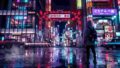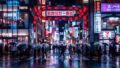

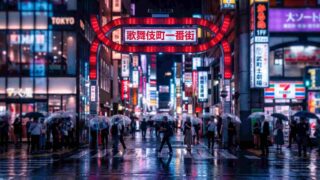
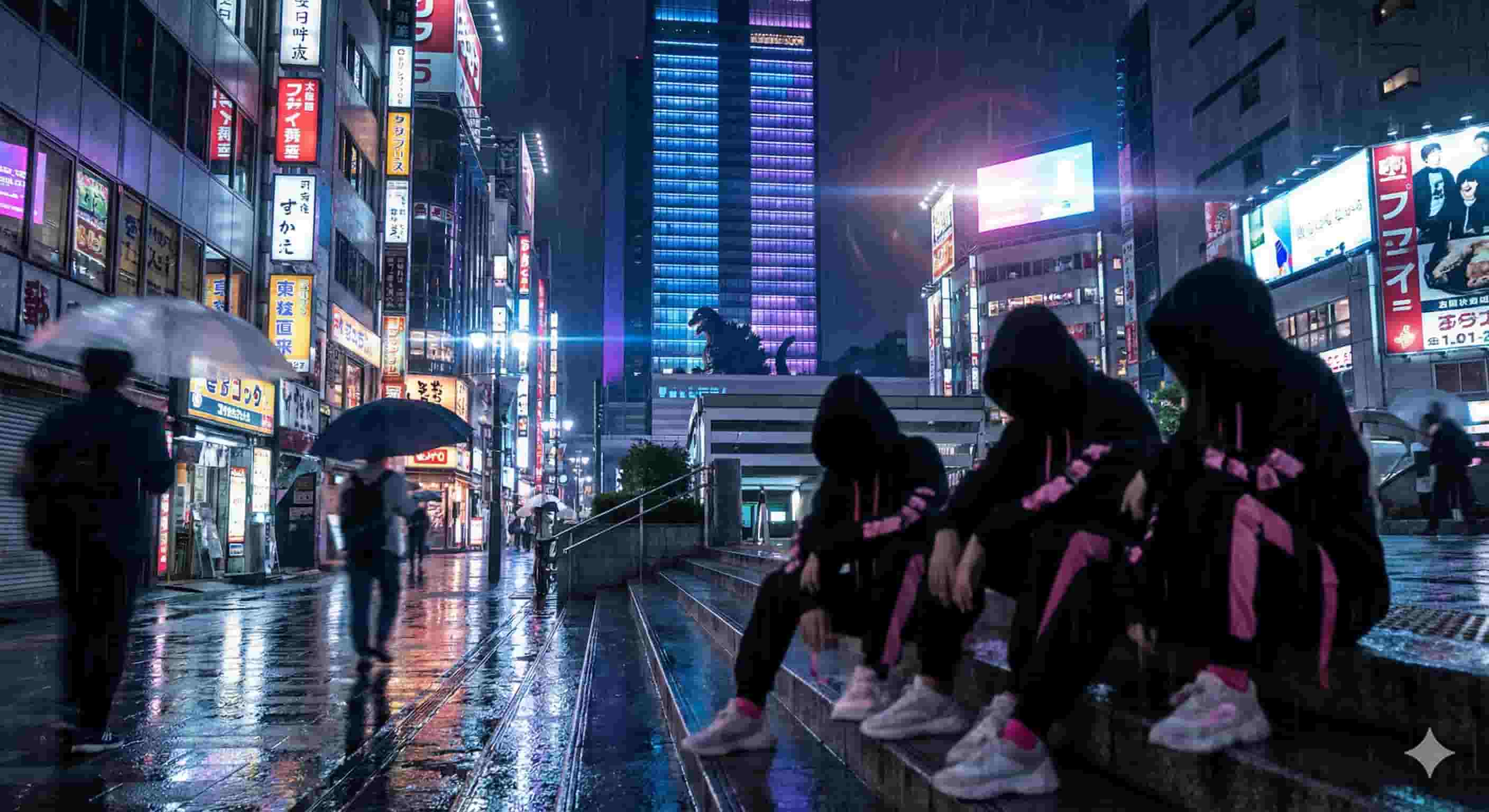
Have you seen the videos on your FYP? A rainy night in Tokyo, neon lights reflecting off the wet pavement, and a crowd of young people in Jirai-kei (landmine-type) fashion sitting on the ground in a square, drinking Strong Zero. It looks like a cyberpunk movie scene come to life. The comments section is full of people saying, “vibes,” “aesthetic,” or “where is this?”

Hi, I’m Haruki! As a 23-year-old native Japanese local, I’ll share the REAL info that guidebooks won’t tell you!
That place is Cinecity Square in Kabukicho, and the people are known as the “Toyoko Kids.”
But before you add this spot to your Tokyo itinerary for the “culture” or the “aesthetic photo op,” you need to hit pause. This isn’t Harajuku. It isn’t a fashion meet-up. It is the epicenter of a complex social crisis involving runaway youth, exploitation, and mental health struggles. As a traveler, the line between appreciation and exploitation is thin—and walking into Cinecity Square with a camera is crossing it.
Here is the no-filter truth about the To-Yoko area, why it’s trending, and why you should probably steer clear.
💡 Key Takeaways (TL;DR):
- The “To-Yoko” Area: Refers to the alleyways and Cinecity Square beside the Shinjuku Toho (Godzilla) Building. “To” comes from Toho, “Yoko” means side.
- Safety Verdict: Avoid Cinecity Square at night. While physically you might not be mugged, the energy is volatile, police raids are common, and tourists are often targeted by aggressive touts nearby.
- Ethical Travel: The Toyoko Kids are vulnerable youth, often runaways. Treating their struggle as an “aesthetic background” for TikToks is deeply disrespectful and dangerous.
- Pro Tip: Want the neon cyberpunk vibe without the grit? Stick to Godzilla Road or visit the new Tokyu Kabukicho Tower just meters away.
Next Step: Want to survive Shinjuku’s wildest district? Check the full guide here.
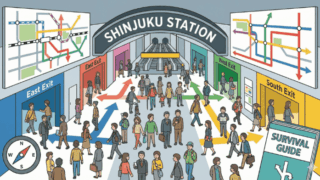
👉 Kabukicho Survival Guide 2026: Safety Rules, Best Izakaya & Hidden Gems
What is the “To-Yoko” Area?
To understand the current situation in Kabukicho, you have to understand the geography. Shinjuku is a massive ward, but the “To-Yoko” phenomenon is hyper-localized.
The Etymology
The term “Toyoko” (トー横) is a portmanteau.
- “To” (トー) comes from the Toho Cinema Building (the massive hotel with the Godzilla head).
- “Yoko” (横) means “side” or “next to” in Japanese.
Originally, this referred specifically to the narrow alleyway on the east side of the Toho building. However, as the number of youths gathering there increased, the definition expanded to include Cinecity Square (formerly Koma Theater Square), the open plaza directly in front of the newer Tokyu Kabukicho Tower.
The Vibe Shift
Historically, Kabukicho has always been Tokyo’s “Sleepless Town”—a red-light district strictly for adults. It was Yakuza territory, filled with host clubs, kyabakura (cabaret clubs), and love hotels.
However, around 2020 (coinciding with the pandemic), a new demographic moved in. With schools closed and family tensions rising during lockdowns, teenagers who felt unsafe at home began gathering in this open square. It offered anonymity and a strange sense of community. Unlike the glitzy host clubs that require money, the square was free. You just needed a convenience store drink and a place to sit.
🚫 STAY SAFE IN KABUKICHO:
Must-Read Safety Guide: Don’t Go to Kabukicho Alone: 5 Safety Rules for Tourists & Warning Zones
Who Are the “Toyoko Kids”?
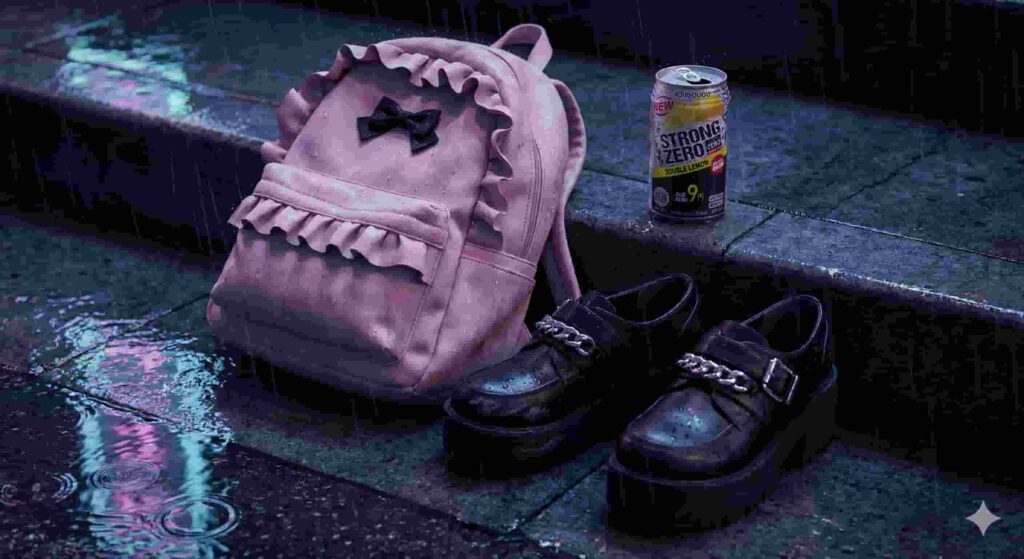
If you search “Toyoko Kids Cinecity Square” on Google, you’ll see sensationalized news reports. But let’s break down the reality without the judgment.
The Demographics
The “Toyoko Kids” are primarily Gen Z, ranging from as young as 12 to their early 20s. Many are runaways from abusive homes, victims of bullying, or struggling with severe mental health issues. They have flocked to Kabukicho because they have nowhere else to go. They are not a “gang” in the traditional sense; they are a marginalized community of survivalists.
The “Jirai-kei” Aesthetic
Visually, the Toyoko Kids are distinct. They often adopt Jirai-kei (“Landmine-type”) fashion.
- The Look: Frilly “Sanrio-goth” outfits, heavy pink-toned makeup (to look like they’ve been crying), MCM backpacks, and accessories featuring characters like Kuromi or My Melody.
- The Meaning: The term “Landmine” implies that the person is “cute but unstable”—step on them, and they might explode (emotionally).
While this fashion is popular globally now, in the context of Cinecity Square, it serves as a uniform of belonging. It signals to others in the square: “I am broken too. I belong here.”
Why Tourists Should Avoid Cinecity Square
You might be thinking, “I’m street smart, I can handle it.” But the issue with Toyoko Kids Cinecity Square isn’t just about physical danger; it’s about ethics and unpredictability.
1. The Risk of Violence and Crime
The square is not a safe haven. Because these youths are vulnerable, predatory adults have infiltrated the space.
- Exploitation: There are rampant reports of adults recruiting young girls for “Papa Katsu” (sugar dating) or worse, forcing them into the sex industry to pay for hotels.
- Fights: Arguments often break out in the square. With alcohol and mental instability in the mix, glass bottles get thrown, and brawls are common.
- The Police Presence: The Tokyo Metropolitan Police raid this square frequently. If you are standing there during a “hogoshoku” (protective custody sweep), you will be questioned, searched, and potentially detained if you don’t have your passport.
2. The Overdose Crisis
One of the darkest aspects of the Toyoko lifestyle is the prevalence of over-the-counter drug abuse. You will often see young people passed out on the pavement. This is not a “party” scene; it is a medical crisis. As a tourist, witnessing a 14-year-old overdosing is traumatic and helpless. You do not want to be a spectator to this.
3. The “Poverty Safari” Problem
This is the most critical point for Gen Z travelers who value ethical tourism.
Taking photos of Toyoko Kids is highly offensive. These are minors in crisis. Treating their homelessness and struggle as an “aesthetic background” for your Instagram story is the definition of “poverty porn.”
Locals are becoming increasingly hostile toward tourists who treat Kabukicho like a human zoo. If you pull out a camera in Cinecity Square, expect to be yelled at or aggressively confronted.
The “Grit” vs. The “Glamour”: Navigating Kabukicho
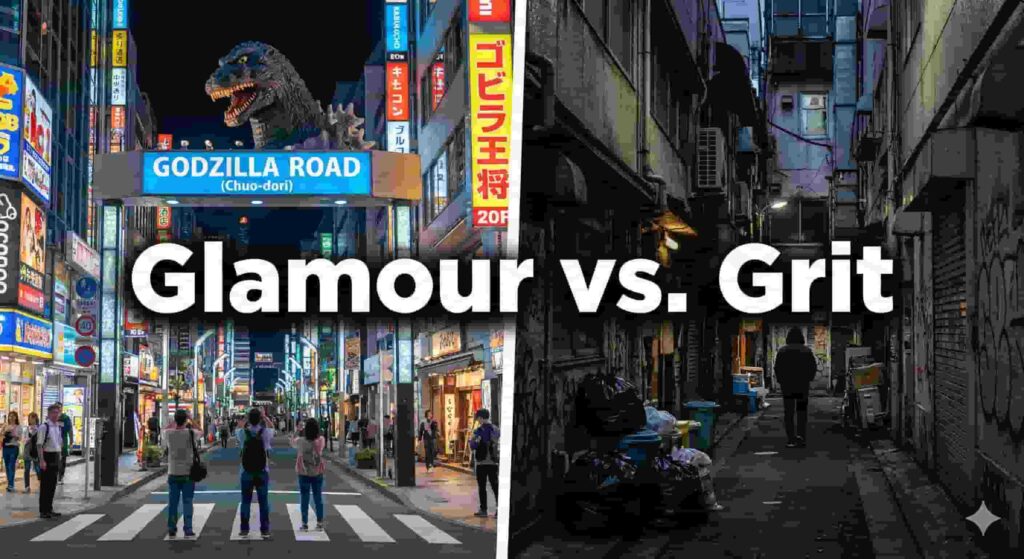
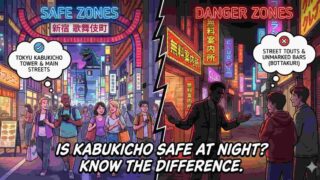
Does this mean you should boycott Kabukicho entirely? Absolutely not. Kabukicho is huge, and most of it is a neon wonderland that is perfectly safe for tourists. You just need to know the boundaries.
The Safe Zones
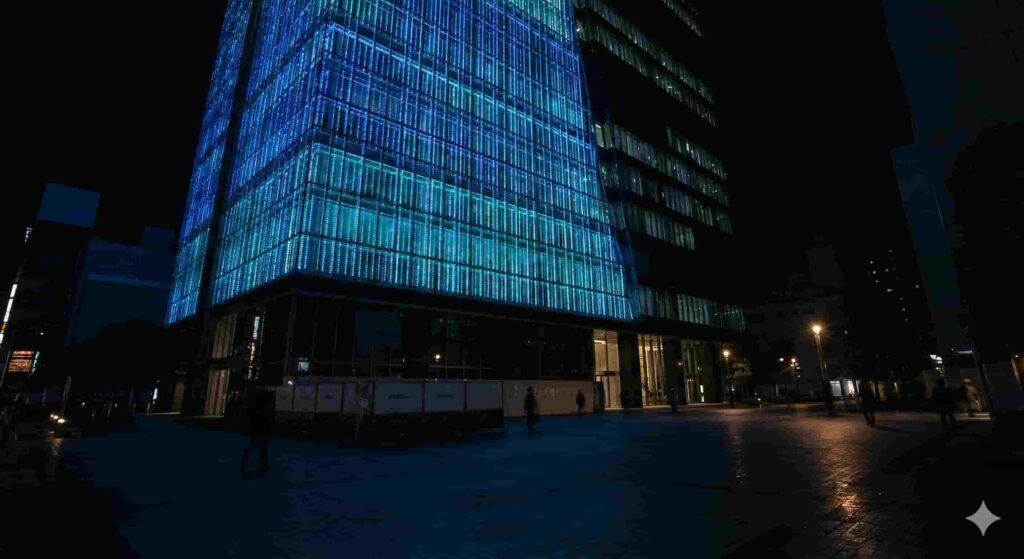
- Godzilla Road (Yasukuni-dori entrance): The main street leading to the Toho building. It’s bright, loud, and filled with tourists, Don Quijote shoppers, and regular salarymen.
- Tokyu Kabukicho Tower: Ironically, this brand-new, ultra-luxury skyscraper sits right next to Cinecity Square. Inside, it’s a sterilized, safe playground with a neon food hall (Kabuki Hall), an arcade (Namco Tokyo), and a cinema. It is 100% safe.
- Golden Gai: While gritty, this area of tiny bars is regulated and accustomed to tourists. It has a “rough” look but a safe, community-driven atmosphere.
The “Avoid” Zones
- Cinecity Square (The Plaza): The gathering spot for Toyoko Kids.
- The Back Alleys of 2-Chome: North of the batting centers, the streets get darker and the “touts” (people trying to pull you into bars) get more aggressive.
Vibe Check Table: Where to Go
| Area | Vibe Score | Safety | What to Expect |
| Godzilla Road | 10/10 | High | Neon lights, tourists, Don Quijote chaos. |
| Kabukicho Tower | 8/10 | Very High | Expensive food, clean toilets, huge arcade. |
| Golden Gai | 100/10 | Moderate | Authentic drinking culture, strict rules, expensive cover charges. |
| Cinecity Square | 1/10 | Low | Trash, loitering, police tension, heavy atmosphere. |
| Hanazono Shrine | 9/10 | High | Peaceful, spiritual, great for night photography. |
ALSO READ: Shinjuku Golden Gai Guide: The Ultimate Rules, Bars, and Hidden Gems
Safety Tips for Gen Z Travelers in Shinjuku
If you find yourself near the Toyoko Kids Cinecity Square area (perhaps because you’re going to the Zepp Shinjuku concert hall or the cinema), follow these rules to stay safe and respectful.
1. No Photos, No Videos
I cannot stress this enough. Do not film the people sitting on the ground. It is an invasion of privacy for minors who are technically hiding from the authorities.
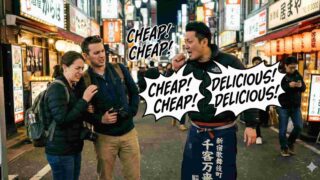
2. Ignore the Touts (Kyaku-hiki)
In Kabukicho, you will be approached by guys in suits promising “cheap drinking,” “girls,” or “good vibes.”
- The Rule: Never follow a tout. Ever.
- The Scam: They will take you to a bar, spike your drink, and charge your credit card $5,000 USD. This is the most common crime against tourists in Tokyo.
- What to say: Do not engage. Just keep walking or say a firm “No.”
3. Stick to the “Vertical” Looking Rule
When in Kabukicho, look up at the neon signs, look straight at your destination, but don’t stare down at the people sitting on the curb. Eye contact can be interpreted as aggression or judgment.
Better Alternatives for the “Cyberpunk” Aesthetic
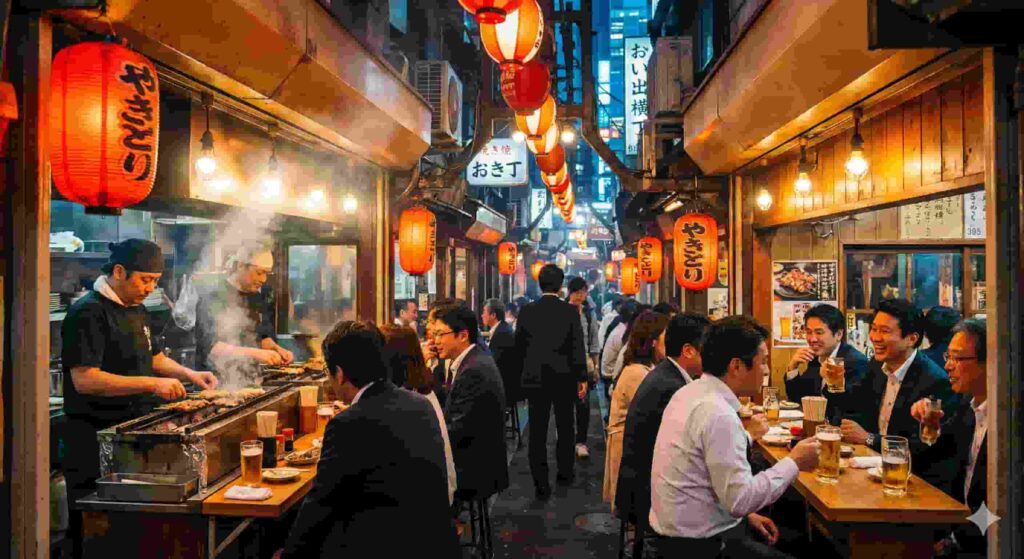
You want that Blade Runner, dystopian, neon-soaked photo? You don’t need to go to the depressing parts of Kabukicho to get it. Here are three spots that deliver the aesthetic without the ethical baggage.
1. Omoide Yokocho (Memory Lane)
Located on the west side of Shinjuku station. It’s a narrow alley filled with smoke from Yakitori grills and red lanterns. It feels like 1950s Japan. It is crowded, but safe and incredibly photogenic.
2. Akihabara Electric Town at Night
If you want the “otaku” or “digital” vibe, Akihabara at night is unbeatable. The green and blue lights of the arcades and PC shops give off a massive cyberpunk energy.
3. Nakano Broadway
For the subculture and anime vibes that Toyoko Kids are loosely associated with (without the danger), go to Nakano Broadway. It’s an indoor complex full of vintage anime cel shops, Mandarake stores, and goth fashion boutiques. It’s where the “Jirai-kei” culture is celebrated as fashion, not a survival mechanism.
FAQ: Understanding the Reality
To make sure you have the clear facts, here are the direct answers.
Is Cinecity Square dangerous for tourists?
Yes, potentially. While violent crime against random tourists is rare, the area is volatile. You risk harassment from touts, witnessing traumatic medical emergencies, or getting caught in police raids.
Can I take photos of Toyoko Kids?
No. It is considered highly unethical and rude. Many of these subjects are minors in vulnerable situations.
What is the difference between Kabukicho and Golden Gai?
Kabukicho is the larger red-light district known for host clubs and adult entertainment. Golden Gai is a tiny sub-section of Kabukicho consisting of over 200 miniature bars. Golden Gai is a tourist-friendly drinking spot; the dark alleys of Kabukicho are not.
Why do Toyoko Kids wear Jirai-kei fashion?
Jirai-kei (Landmine-style) is a counter-culture fashion that rejects traditional “pure” beauty standards in favor of a “sickly cute” aesthetic. It resonates with youth who feel mentally unstable or rejected by mainstream society.
Shinjuku is my favorite place in Tokyo. It is electric, messy, and alive. But the Toyoko Kids Cinecity Square phenomenon is a tragic scar on the city’s face. As a traveler, your job is to witness the beauty of Japan, not to consume its social problems as entertainment.
Go to Kabukicho. See the Godzilla head. Eat the overpriced Wagyu. But when you see the kids in the square, put the camera away, keep walking, and let them be. That is the true “cool” move.
Next Step: Are you looking for a safe but edgy night out in Tokyo? I can create a custom “Safe Nightlife Itinerary for Shinjuku” that hits all the cool spots (Golden Gai, vintage arcades, hidden bars) while keeping you totally clear of the danger zones. Just let me know!