



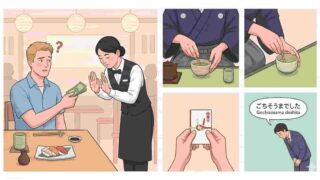
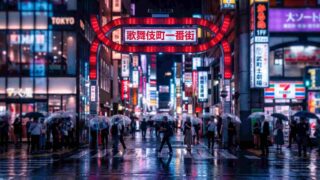


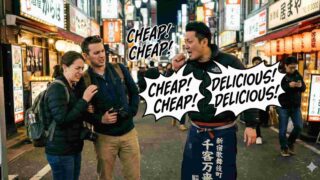
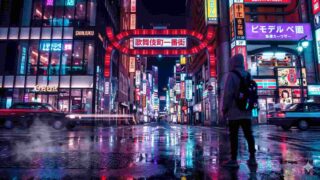
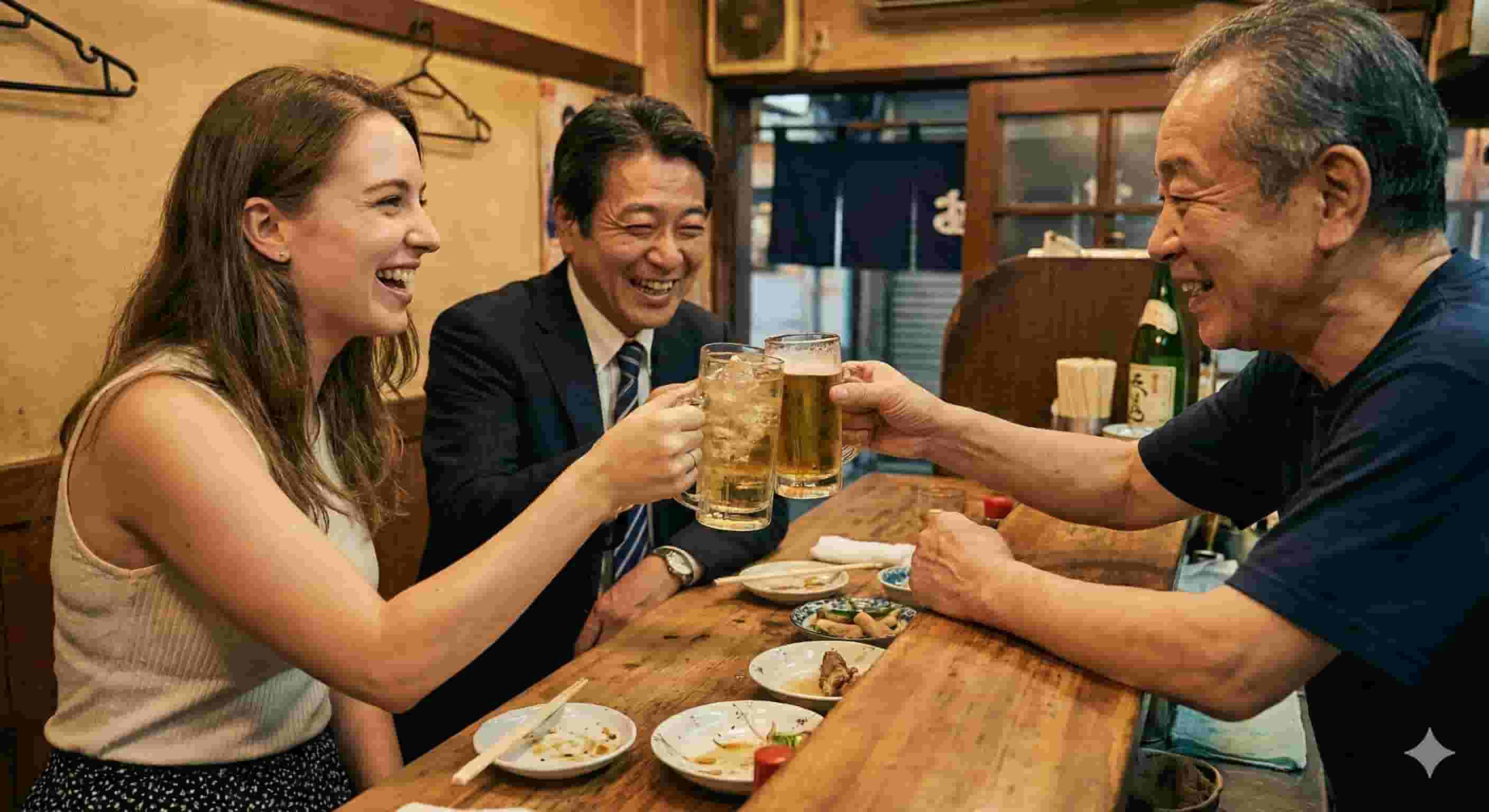
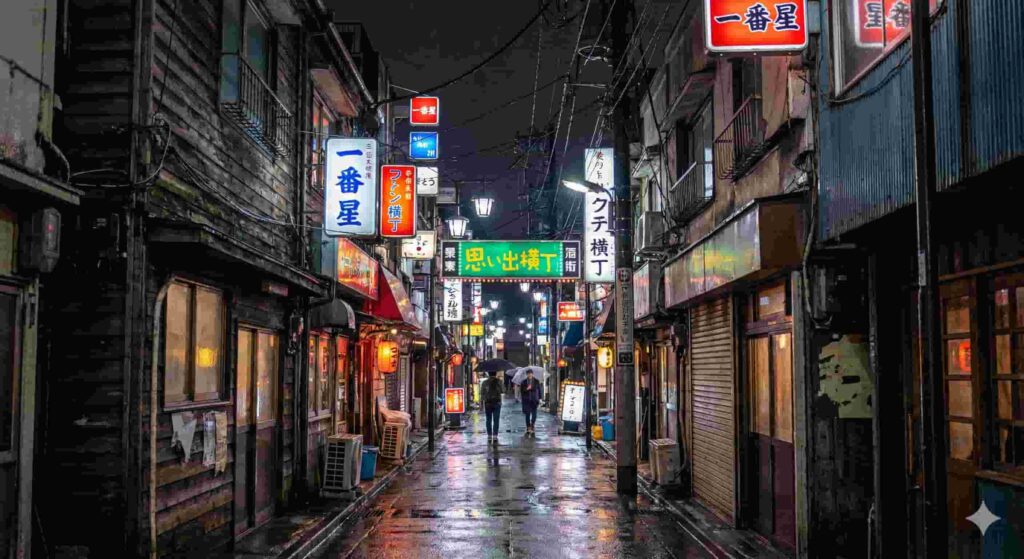
You have seen the photos on Instagram. The narrow, ramshackle alleys bathed in the glow of neon signs. The cyberpunk aesthetic that looks like the set of Blade Runner mixed with a 1950s history book. This is Shinjuku Golden Gai, arguably the most famous square block of nightlife on the planet.

Too busy to read? Listen on the go! 🎧 I turned this guide into a mini-podcast. Perfect for listening while you’re on the train or walking!
But here is the hard truth that most travel blogs won’t tell you: Golden Gai is not a theme park.
It is not a museum built for your entertainment. It is a living, breathing, and fiercely protective community of over 200 tiny bars packed into an area the size of a football field. Some of these bars have been owned by the same “Mama-san” or “Master” for 40 years. They have rules. They have a specific etiquette. And if you walk in acting like a tourist in Disneyland, you will get the “X” sign (arms crossed) and be turned away—or worse, yelled at.
This Shinjuku Golden Gai guide is your passport to doing it right. We will cover the specific questions Gen Z travelers are asking (“Is it tourist-friendly?”, “What is the vibe?”), break down the confusing cover charge system, and give you a curated list of the best Golden Gai bars for foreigners so you can experience the magic without the awkwardness.
Next Step: Want to survive Shinjuku’s wildest district? Check the full guide here.
👉 Kabukicho Survival Guide 2026: Safety Rules, Best Izakaya & Hidden Gems
- The “Golden Rules”: 3 Things That Will Get You Kicked Out
- What is the “Vibe”? (Showa Retro vs. Cyberpunk)
- Best Golden Gai Bars for Foreigners (2026 Edition)
- How to “Bar Hop” Like a Pro
- A Brief History: From Black Market to Cultural Treasure
- Practical Survival Guide
- Conclusion: The Reward for Following the Rules
The “Golden Rules”: 3 Things That Will Get You Kicked Out
Before we talk about where to drink, we must talk about how to drink. Golden Gai operates on a fragile ecosystem of mutual respect. To the locals, this is their living room. You are a guest.
1. The “No Photo” Rule (Strictly Enforced)
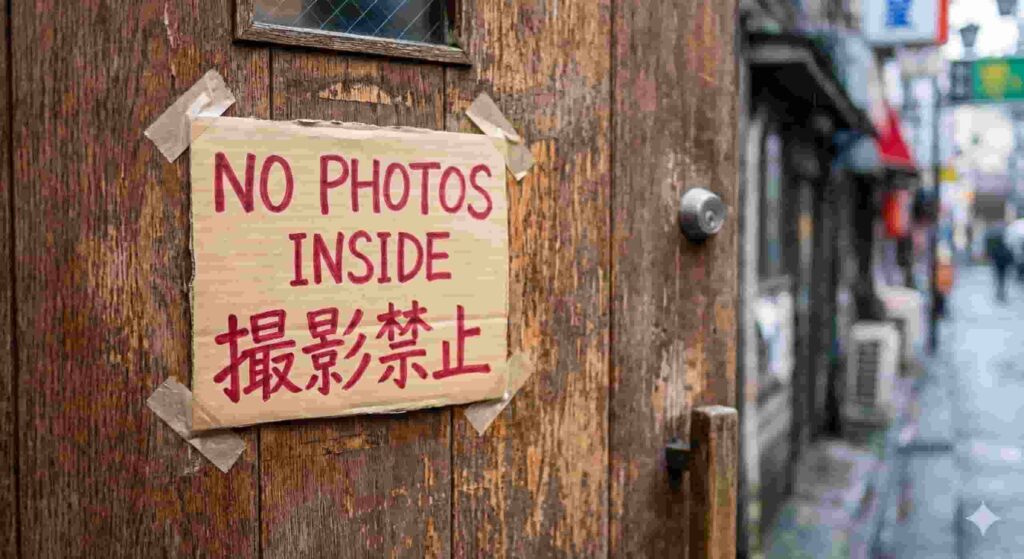
If you take away one thing from this guide, let it be this: Do not take photos of people or the interiors of bars without explicit permission.
- The Vibe: Privacy is sacred here. Many patrons are celebrities, writers, artists, or just regular salarymen blowing off steam who do not want to end up on a stranger’s TikTok or Instagram story.
- The Reality: You will see signs everywhere saying “NO PHOTOS.” If you pull out your phone and snap a flash photo of a Mama-san pouring a drink, the music will stop. You will be asked to delete it, and you may be asked to leave.
- The Exception: You can usually take photos of your own drink or food, but ask “Photo okay?” first. Photos of the alleyways outside are generally tolerated, but be discreet.
2. The Group Size Rule (Maximum 3 People)
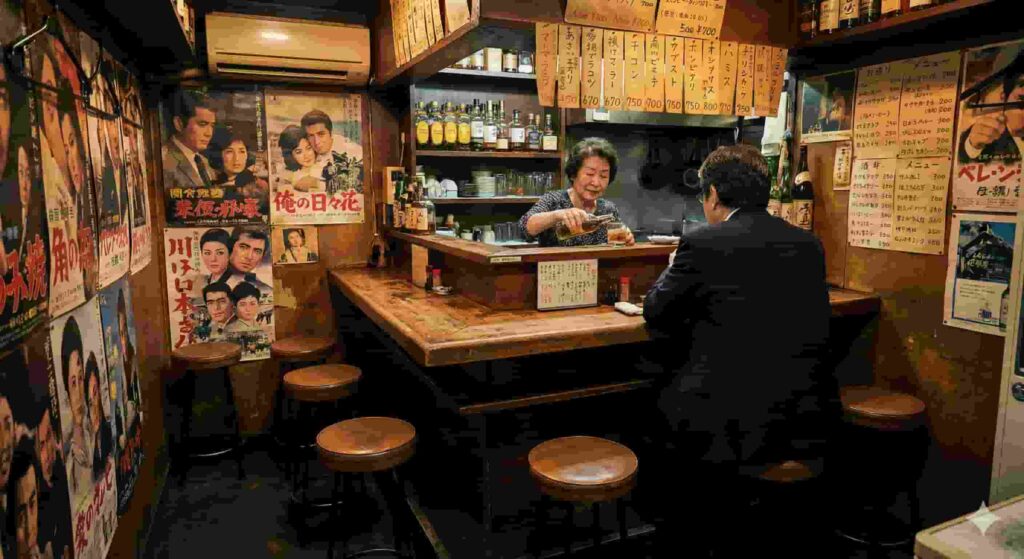
Golden Gai bars are microscopic. We are talking about spaces that fit 5 to 8 people total.
- The Logistics: If you arrive with a “wolf pack” of 6 people, you physically cannot fit. Even if you could, you would dominate the entire room, ruining the intimate atmosphere for the regulars.
- The Strategy: Split up. If you are a group of 4, split into two pairs. If you are a group of 6, go to an Izakaya chain in Kabukicho instead. Golden Gai is for solo travelers, couples, or trios at most.
3. The Cover Charge & “Otoshi” System
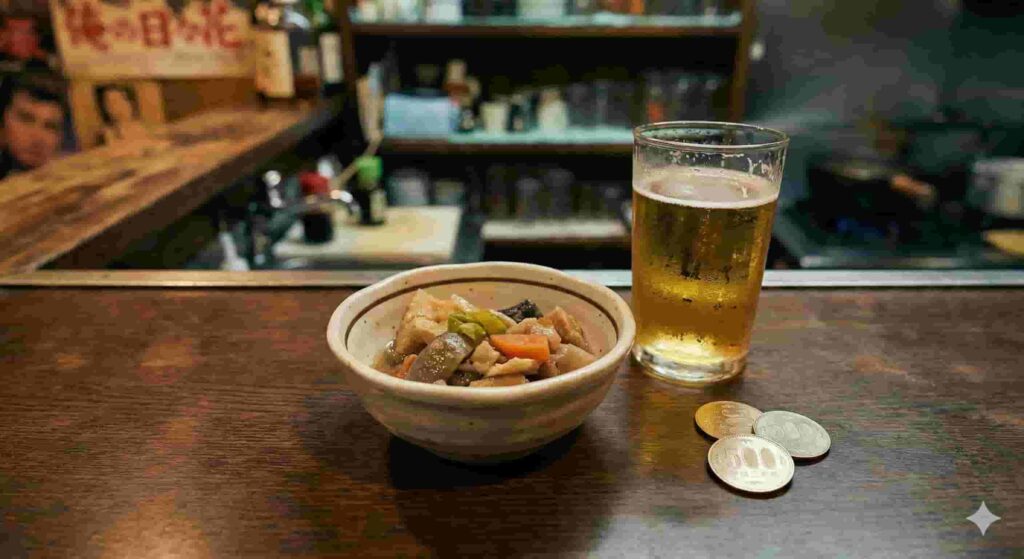
“Golden Gai cover charge explained” is a top search for a reason—it confuses everyone.
- The Cost: Almost every bar in Golden Gai charges a seating fee (cover charge). This ranges from ¥500 to ¥1500 ($3 – $10 USD) per person.
- The Snack: In exchange, you often get a small bowl of nuts, crackers, or stew called otoshi.
- The Warning: Do not try to negotiate this. Do not act surprised when it appears on the bill. This fee is how these tiny bars pay their rent in one of the most expensive districts in Tokyo. If you refuse to pay it, you are essentially insulting the host.
Relevant Read: The ‘Otoshi’ Trap: Why You Got an Appetizer You Didn’t Order at Izakaya
Pro Tip: Some foreigner-friendly bars have “No Cover” signs outside. We will list some of those below.
What is the “Vibe”? (Showa Retro vs. Cyberpunk)
When you step off the clean, paved streets of Shinjuku and into the Golden Gai alleys, the air changes. It smells of yakitori smoke, old wood, and cigarettes.
- Showa Retro Aesthetic: The architecture dates back to the post-WWII “Showa” era. The buildings are wooden, two-story shanties that miraculously survived the economic bubble of the 80s when developers tried to bulldoze them.
- Cyberpunk Vibes: At night, the tangle of electrical wires overhead, illuminated by hundreds of glowing mismatched signs, gives it that gritty, high-tech/low-life energy famous in cyberpunk media.
- Hidden Gems: This is the definition of “Hidden gems Tokyo.” You aren’t walking into a franchise; you are walking into someone’s passion project. One bar might be dedicated entirely to horror movies; the next might only play 80s punk rock; the next might be lined with thousands of books.
Is Golden Gai Tourist Friendly?
Yes and no.
- Yes: Because many bars rely on tourism now and have English menus.
- No: Because there are still “Members Only” bars that will not let you in if you don’t speak fluent Japanese or know the owner.
- How to tell: Look at the door.
- Open door / English Menu outside: Come on in!
- Closed door / “Members Only” sticker: Do not enter.
- Closed door / No signage: Proceed with caution. Knock gently or peek in.
Best Golden Gai Bars for Foreigners (2026 Edition)
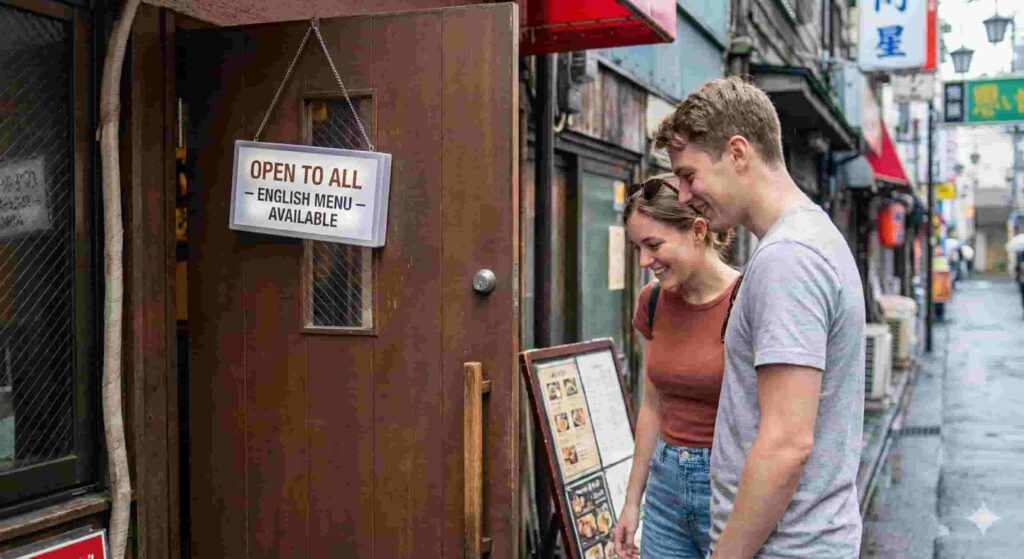
If you are nervous about breaking the rules, start with these bars. They are known for being welcoming to international visitors (Gaijin-friendly) while still maintaining that authentic izakaya alley atmosphere.
1. Albatross (The Aesthetic Choice)
This is arguably the most famous bar in the district for tourists, and for good reason.
- The Vibe: Gothic, artsy, and strange. It has chandeliers, a deer head on the wall, and disco balls. It used to be a brothel (like many buildings here), and the layout is fascinatingly cramped.
- Why Go: It has a second floor (rare!) and a rooftop area for warm nights. The drinks are high quality.
- Cover Charge: Yes (approx. ¥700).
2. Ace’s (The Budget Friendly Choice)
- The Vibe: Casual, loud, and unpretentious.
- Why Go: Ace’s is one of the few places with no cover charge for foreigners. The drinks are cheap (¥800ish), and the staff almost always speak English. It’s a great “starter bar” to get your confidence up.
3. Deathmatch in Hell (The Metal Choice)
- The Vibe: Exactly what it sounds like. The walls are plastered with horror movie posters and death metal memorabilia.
- Why Go: If you love heavy metal or 80s horror, this is your mecca. The owner is legendary and surprisingly sweet despite the scary decor.
- Note: No cover charge!
4. Open Book (The Sophisticated Choice)
- The Vibe: A library turned into a bar. The walls are lined with books owned by the owner’s grandfather, a famous prize-winning author.
- Why Go: They serve the self-proclaimed “world’s best lemon sour.” It is a quieter, more refined experience than the punk bars next door.
5. Araku (The Social Choice)
- The Vibe: Owned by an Australian, this bar feels like a bridge between Western comfort and Japanese setting.
- Why Go: No cover charge, great cocktails, and a high likelihood of making friends with other travelers.
Relevant Read: Top 5 Safe & Affordable Izakaya Chains in Tokyo
How to “Bar Hop” Like a Pro
In Japanese, bar hopping is called hashigo-zake (ladder drinking). The goal isn’t to get wasted in one spot; it’s to have one drink, chat, pay, and move to the next rung of the ladder.
- Bring Cash: This is non-negotiable. 90% of these bars do not take credit cards. Bring at least ¥10,000 ($70 USD) in small bills (¥1000 notes). Breaking a ¥10,000 bill on a ¥800 drink is considered rude in tiny shops.
- Order Immediately: Do not sit down and wait 10 minutes to look at the menu. Space is money. Order a beer (“Nama biiru”) or a Highball immediately to secure your spot.
- The “Check” Signal: When you are ready to leave, cross your index fingers in an “X” shape. This is the universal sign for “check, please” in Japan.
- Don’t Overstay: If you have finished your drink and aren’t ordering another, and there is a line outside? Leave. It’s the polite thing to do.
A Brief History: From Black Market to Cultural Treasure
To understand the soul of Golden Gai, you have to look at its history. After World War II, this area was a black market known for illegal goods. By the 1950s, it had morphed into a “blue light” district (illegal prostitution). When prostitution was fully banned in 1958, the venues converted into bars.
In the 1960s and 70s, it became the hangout for Japan’s counter-culture: radical writers, avant-garde theater directors, and starving artists. They drank here because it was cheap and hidden from the mainstream.
Today, those ramshackle wooden structures are sitting on some of the most expensive real estate in the world. Developers constantly offer millions to buy the land and build skyscrapers, but the owners refuse to sell. Every time you pay a cover charge, you are helping fund the legal battle to keep this historic district alive.
Practical Survival Guide
- Restrooms: Most bars have a toilet, but it might be incredibly small or up a terrifyingly steep staircase. There are public restrooms at the entrance of the Golden Gai streets (near the promenade), which are often easier to navigate.
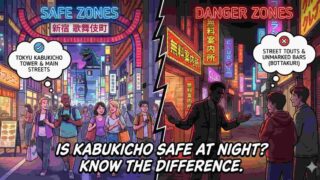
- Safety: Despite the “Warning” in the title, Golden Gai is extremely safe. The “yelling” is usually just a grumpy owner scolding you for breaking a rule, not a threat of violence. However, do not follow touts (people on the street trying to drag you into a bar) in the nearby Kabukicho area. Inside Golden Gai, touting is banned.
- Food: Most bars only serve dry snacks. If you are starving, go to Ramen Nagi within Golden Gai (look for the red lantern and the long line on the stairs). It is famous for its sardine broth ramen and is open 24 hours.
Relevant Read: Stop Tipping! Why it’s Actually Rude in Japan (And What to Do Instead)
Conclusion: The Reward for Following the Rules
Shinjuku Golden Gai is intimidating. It is dark, tight, and full of unspoken rules. But if you respect the “No Photo” policy, pay your cover charge with a smile, and engage quietly with the Master, you will unlock a side of Tokyo that neon-lit tourist traps can never offer.
You might end up having a conversation with a famous Japanese director, or sharing a drink with a local who has lived in Shinjuku for 50 years. It is a place for connection, not just consumption.
So, put your phone in your pocket. Order a Highball. And say “Kanpai” (Cheers) to the last surviving chaotic soul of old Tokyo.
Next Step
Ready to explore the rest of Tokyo’s life? Check out our Shibuya Travel Guide: From Scramble Crossing to Hidden Gems to plan your next stop after Golden Gai!