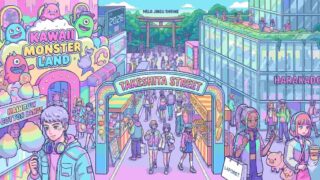









Harajuku is a paradox. It is the loudest, brightest, and most chaotic neighborhood in Tokyo, yet it sits directly adjacent to one of the city’s most serene and spiritual forests. For a first-time visitor, navigating the shift from the ancient tranquility of Meiji Jingu Shrine to the hyper-pop explosion of Takeshita Street can be disorienting.
If you don’t have a plan, Harajuku can be a sensory overload that leads to missed hidden gems and time wasted in tourist traps.
This 1-Day Harajuku Itinerary is designed to optimize your flow. We will start with culture and nature to beat the morning crowds, dive headfirst into the kawaii madness during the day, and end with the sophisticated architecture of Omotesando. Whether you are here for the rainbow cotton candy, the vintage denim, or the architectural marvels, this step-by-step guide covers it all.
Morning: Spiritual Beginnings & Ancient Forests
Time Allocation: 9:00 AM – 11:00 AM
Most tourists make the mistake of arriving at Harajuku Station at 11:00 AM when the shops open. By then, the station is a crush of people. To truly master this district, you must start earlier, but not on the shopping streets.
Stop 1: Harajuku Station (The Gateway)
Start your day at the new JR Harajuku Station. While the historic wooden station building was dismantled in 2020 for safety, the new structure offers better accessibility.
- Pro Tip: Exit toward the West Gate (Omotesando Exit) to head straight toward the shrine.
- Photo Op: Before leaving the station area, look across the street. You will see the sleek, modern architecture contrasting with the dense trees of the shrine entrance.
Stop 2: Meiji Jingu Shrine (The Cultural Heart)
Meiji Jingu is Tokyo’s most significant Shinto shrine, dedicated to Emperor Meiji and Empress Shoken. It is a massive forest in the city center, offering a stark contrast to the neon lights you will see later.
- The Torii Gates: Walk through the colossal wooden Torii gates. These are made from 1,500-year-old cypress trees. As you pass under them, bow once to show respect; you are entering sacred ground.
- The Sake Barrels: On the way to the main hall, you will pass a famous wall of decorative sake barrels (kazaridaru) donated by brewers from across Japan. This is one of the most iconic photo spots in Tokyo.
- The Main Hall: Once you reach the main complex, toss a coin (ideally a 5-yen coin) into the offering box, bow twice, clap your hands twice, pray, and bow once more.
Note: Meiji Jingu is not just a park; it is an active religious site. Keep your voice down and avoid eating while walking on the gravel paths (Sando).
Stop 3: Yoyogi Park (The Green Lung)
If you are visiting on a Sunday, Yoyogi Park is a must. This is where Tokyo’s subcultures used to gather (the famous Rockabilly dancers often appear here on weekends). Even on weekdays, it is a sprawling, peaceful expanse perfect for decomposing after the flight to Japan.
Mid-Day: The Kawaii Explosion
Time Allocation: 11:00 AM – 1:30 PM
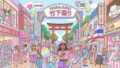
Now that you have soaked in the history, it’s time for the “real” Harajuku. Walk back toward the station and cross the street to the entrance of the world-famous shopping street.
Stop 4: Takeshita Street (The Center of Chaos)
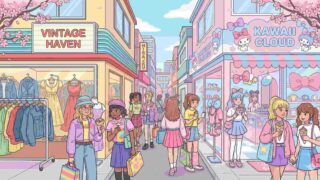
Takeshita Street is the epicenter of Japan’s teenage fashion culture. It is narrow, crowded, and loud—and that is exactly why you go.
Must-Visit Shops on Takeshita Street:
- Daiso Harajuku: One of the largest 100-yen shops in central Tokyo. It’s perfect for buying cheap, high-quality souvenirs like Japanese stationery, snacks, and ceramics.
- Marion Crepes vs. Santa Monica Crepes: You cannot leave Harajuku without eating a crepe. These two stands have been rivals for decades. Marion Crepes is the classic choice; try the strawberry cheesecake delight.
- Purikura Land: Experience the Japanese photo booth phenomenon. These machines will automatically enlarge your eyes and smooth your skin to alien levels of perfection. It’s a hilarious and essential souvenir.
Stop 5: Harajuku Street Food Guide
Don’t sit down for a full lunch yet; Harajuku is best experienced through snacking.
- Rainbow Cotton Candy: Head to the Totti Candy Factory. The giant, multi-colored cotton candy clouds are perhaps the most Instagrammable food in the city.
- Long Potatoes: Exactly what it sounds like—impossibly long french fries drizzled with cheese or chocolate sauce.
- Fried Chicken: Check out the various stalls selling cup-based fried chicken (karaage), often topped with cheese.
Afternoon: Hipsters, Vintage, and Hidden Streets
Time Allocation: 1:30 PM – 4:00 PM
Takeshita Street is for tourists and teenagers. To see where the actual fashion leaders of Tokyo hang out, you need to go behind the main street. This area is known as Ura-Harajuku (or Ura-Hara).
Stop 6: Ura-Harajuku (The Backstreets)
Escape the crowds of Takeshita by ducking into the side streets. Here, the vibe changes instantly from “pop” to “cool.”
- Vintage Shopping: Harajuku is the vintage capital of the world.
- Kinji Used Clothing: Located in the basement of the YM Square building, this is a massive warehouse of sorted vintage gear.
- Chicago: Excellent for vintage denim and surprisingly affordable second-hand Kimonos and Yukatas (great for souvenirs).
- RAGTAG: If you want second-hand luxury brands (Comme des Garçons, Supreme, Yohji Yamamoto) at a fraction of the price, this is the place.
Stop 7: Cat Street
Connecting Harajuku to Shibuya, Cat Street is a pedestrian-friendly alley lined with high-end streetwear brands, outdoor gear shops, and hipster coffee stands. It feels more like Brooklyn or Portland than Tokyo. Grab a coffee at The Roastery by Nozy Coffee to recharge.
Late Afternoon: Architecture & Luxury
Time Allocation: 4:00 PM – 6:00 PM
As you walk down the grand boulevard of Omotesando, the scenery shifts from narrow alleys to wide, tree-lined avenues often called the “Champs-Élysées of Tokyo.”
Stop 8: Tokyu Plaza Omotesando (The Mirror Entrance)
You’ve likely seen this on social media. The entrance to Tokyu Plaza features a kaleidoscope of mirrors that reflects the people and street below. Take the escalator up for the photo, but don’t stop there.
- Omohara Forest: Head to the 6th-floor rooftop terrace. It is a free, public garden with plenty of seating and a Starbucks. It offers one of the best sunset views over Harajuku without an admission fee.
Stop 9: Kiddy Land
Before dinner, stop at Kiddy Land. This is not just a toy store; it’s a cultural institution.
- Floor Guide:
- 1st Floor: Trending items and seasonal goods.
- 2nd Floor: Studio Ghibli and Disney.
- 3rd Floor: Nintendo, Pokémon, and anime figures.
- 4th Floor: Sanrio (Hello Kitty) and Rilakkuma.
Evening: Dinner & Night Views
Time Allocation: 6:00 PM onwards
For dinner, avoid the overpriced tourist traps on Takeshita Street.
Stop 10: Harajuku Gyoza Lou
This is a legendary spot. Harajuku Gyoza Lou serves one thing: Gyoza (dumplings). You can get them fried or steamed. It is cheap, fast, delicious, and always has a line—but the line moves quickly. It’s the perfect authentic end to a busy day.
Alternative: Sakura Tei
If you want an interactive dinner, head to Sakura Tei in Ura-Hara. This is an Okonomiyaki restaurant where you cook your own savory pancakes on a hot plate at your table. The walls are covered in psychedelic art, matching the Harajuku vibe perfectly.
Practical Tips for Your Harajuku Visit
To ensure your 1-day Harajuku itinerary goes smoothly, keep these logistics in mind:
- Best Time to Visit: Weekdays are significantly better than weekends. If you must go on a weekend, start Meiji Jingu as early as 8:00 AM.
- Restrooms: Public restrooms are scarce. Use the facilities inside Tokyu Plaza, Omotesando Hills, or inside Laforet Harajuku. Convenience stores (Konbini) also have restrooms, but it is polite to buy a bottle of water or gum if you use them.
- Trash: There are almost no trash cans in public in Japan. Carry a plastic bag with you to hold your trash (especially crepe wrappers) until you find a bin or return to your hotel.
- Wear Comfortable Shoes: This itinerary involves approximately 15,000 to 20,000 steps. Do not wear heels.
Conclusion
Harajuku is more than just cartoons and candy. It is a district of layers—from the spiritual silence of the Meiji Shrine to the avant-garde fashion of Ura-Hara and the luxury of Omotesando. By following this Harajuku walking guide, you ensure that you don’t just see the tourist highlights, but you actually experience the depth of Tokyo’s most vibrant neighborhood.
Whether you found the perfect vintage jacket or found peace under a Torii gate, Harajuku is a day you will never forget.