

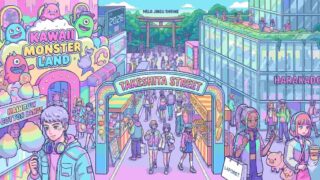











Tokyo is a city of contradictions, but nowhere is this more visible than in Harajuku. For anyone visiting first time in Harajuku, the sensory overload can be intense. One moment, you are engulfed in a kaleidoscope of pastel cotton candy, gothic lolita fashion, and booming pop music; the next, you are stepping into a silent, ancient forest dedicated to an Emperor.
Harajuku is not just a tourist trap; it is the beating heart of Japan’s youth culture and the birthplace of the global “Kawaii” (cute) aesthetic. Whether you are hunting for vintage streetwear, eager to try the famous crêpes, or seeking spiritual calm at Meiji Jingu, this neighborhood offers a slice of Tokyo that you cannot find anywhere else.
This guide is designed to cut through the chaos. We will navigate the crowded alleys, uncover the hidden backstreets known only to locals, and prepare you for the newest attractions launching in 2026.
Top Things to Do in Harajuku for Beginners
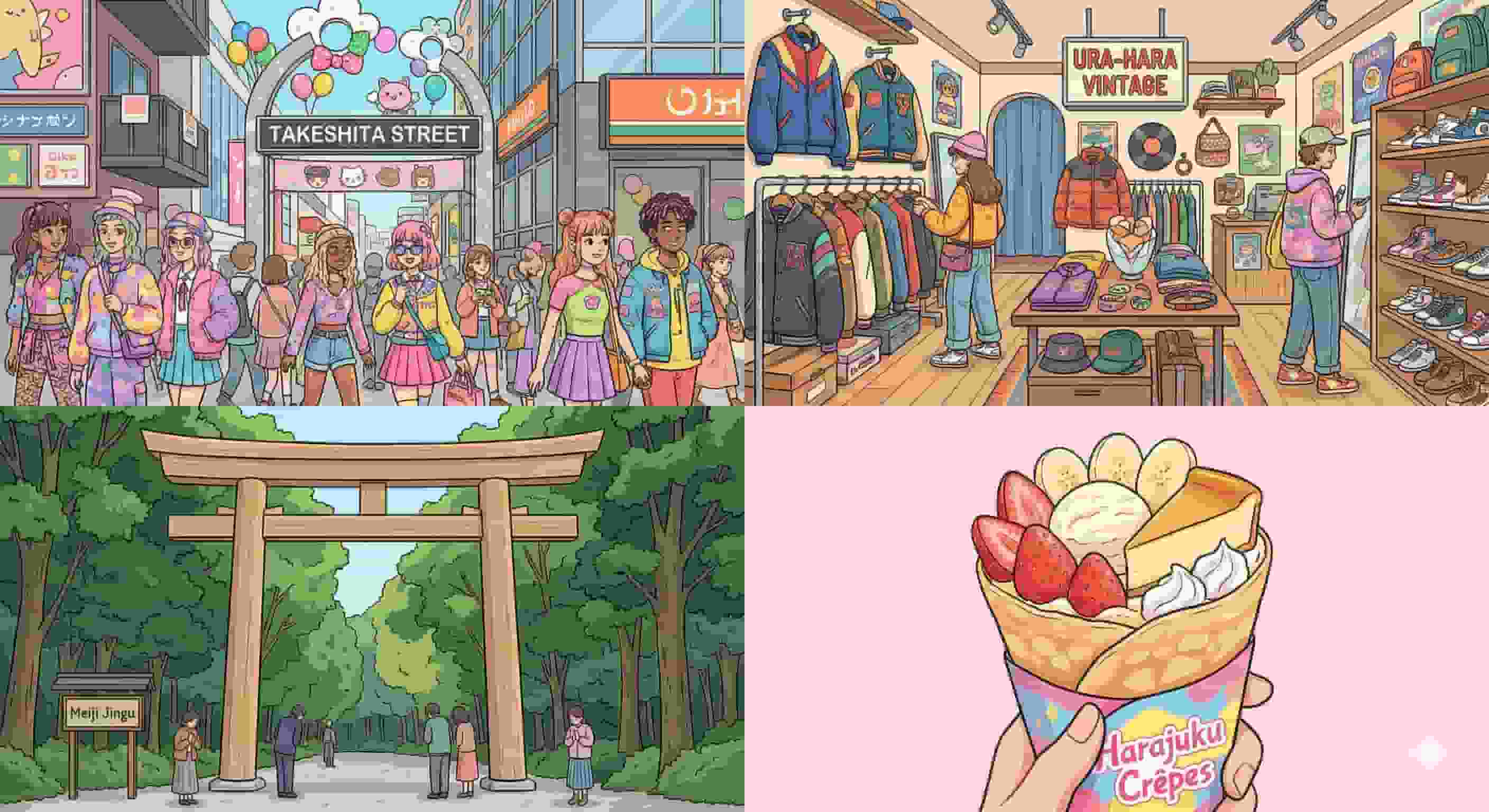
Alt Text: Massive wooden torii gate at the entrance of Meiji Jingu Shrine, surrounded by a lush green forest.
If you only have half a day, these are the non-negotiables. Harajuku is compact, but dense. The key to a successful visit is balancing the manic energy of the shopping streets with the tranquility of the shrine grounds.
1. Find Zen at Meiji Jingu Shrine
Before you dive into the pop-culture madness, start your morning at Meiji Jingu Shrine. Located just steps from Harajuku Station, this is Tokyo’s most significant Shinto shrine.
- The Contrast: Passing through the massive wooden torii gate feels like teleporting. The 170-acre forest, planted by hand over 100 years ago, blocks out the city noise completely.
- What to See: Do not miss the wall of colorful sake barrels (kazaridaru) donated by brewers from across Japan—a perfect photo op. If you visit on a Sunday morning, you might be lucky enough to witness a traditional Shinto wedding procession.
2. Brave the Crowds on Takeshita Street
Takeshita Street is the epicenter of teenage culture. It is a narrow, 400-meter pedestrian alley packed with boutiques, snack stands, and 100-yen shops.
- Pro Tip: Avoid weekends if possible. The “Takeshita Jam” is real, and moving can become impossible. Visit on a weekday morning (around 10:30 AM) right as shops open for the most breathable experience.
3. Escape to Ura-Harajuku (The Backstreets)
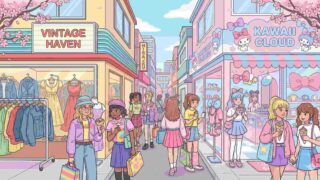
While Takeshita is for tourists and teens, Ura-Harajuku (or “Urahara”) is for the trendsetters. This network of winding backstreets behind the main drag is where street culture was born. It is quieter, cooler, and filled with high-quality vintage stores and independent art galleries.
Harajuku Shopping Guide: Kawaii, Vintage, and Luxury
Alt Text: Exterior of a stylish vintage clothing shop in Ura-Harajuku featuring unique streetwear and retro fashion.
Shopping here is a tale of three streets. Depending on your budget and style, you will want to target different zones.
Takeshita Street: The Budget & Kawaii Zone
This is the place for cheap souvenirs and eccentric fashion.
- Daiso: One of the largest 100-yen shops in Tokyo. Great for stocking up on unique Japanese snacks and stationery.
- Wego & Spinns: Massive thrift/fashion chains that define the current Harajuku look. Perfect for grabbing a souvenir graphic tee or accessories.
Omotesando: The Champs-Élysées of Tokyo
Parallel to the chaos of Takeshita lies Omotesando Avenue, a broad, tree-lined boulevard featuring high-end architecture and luxury brands.
- Tokyu Plaza Omotesando “Harakado”: Opened in 2024, this new complex (across from the older Tokyu Plaza) is a cultural hub with a public rooftop terrace that offers one of the best free views of the Harajuku intersection.
- Kiddyland: A multi-story toy store that is a must-visit for character goods, from Studio Ghibli to Snoopy and Hello Kitty.
Ura-Harajuku: The Vintage Holy Land
For serious fashion lovers, Urahara is the destination. Stores here don’t scream for attention; they rely on curation.
- Ragtag: A high-end consignment shop where you can find “Comme des Garçons” or “Supreme” pieces for a fraction of the retail price.
- Chicago & Kinji: legendary vintage stores offering endless racks of retro kimonos, denim, and American varsity jackets.
Takeshita Street Food: A Sugar Rush Guide
Alt Text: Close-up of a delicious Harajuku-style crepe filled with fresh strawberries, cheesecake, and whipped cream.
You cannot visit Harajuku without eating something that looks like it was designed for Instagram. The food here is colorful, sweet, and often ridiculous.
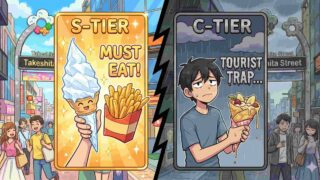
- Harajuku Crêpes: The quintessential snack. Marion Crêpes and Santa Monica Crêpes are the oldest rivals. Expect thin pancakes rolled into a cone, stuffed with whipped cream, fruits, and even slices of cheesecake.
- Rainbow Cotton Candy: Head to Totti Candy Factory for giant, multi-colored clouds of sugar that are bigger than your head.
- Savory Options: If you need a break from sugar, visit Harajuku Gyozaro. It serves simple, delicious fried or steamed dumplings (gyoza) for a very low price. Expect a line, but it moves fast.
What’s New: Kawaii Monster Land (2026 Opening)
For years, the Kawaii Monster Cafe was the icon of Harajuku’s bizarre pop culture until its closure in 2021. However, the monster is returning.
Scheduled to open in February 2026, the new Kawaii Monster Land is set to reclaim its throne. Unlike the original cafe, this is billed as a “Kawaii Amusement Park” located underground near Takeshita Street.
- What to Expect: Psychedelic decor, “Monster Girls” performers, and immersive art installations that push the boundaries of “cute” into something slightly twisted and artistic.
- Advice: As this is the newest hot spot for 2026, online reservations will likely be mandatory. Check their official site before your trip to secure a slot.
Practical Tips for Your Visit
Best Time to Visit
- Weekday Mornings (10:00 AM – 12:00 PM): The sweet spot. Shops are opening, but the crushing crowds haven’t arrived yet.
- Sundays: Ideal if you want to see “Harajuku Fashion” at its peak. Cosplayers and fashionistas often gather on the bridge near the station or in Yoyogi Park on Sundays.
Getting There
- JR Yamanote Line: Get off at Harajuku Station. The station was renovated in 2020, offering a spacious new exit directly facing Meiji Jingu.
- Subway (Chiyoda/Fukutoshin Lines): Get off at Meiji-jingumae ‘Harajuku’ Station. This deposits you right at the intersection of Omotesando and Takeshita.
Conclusion
Harajuku is more than just a neighborhood; it is a rite of passage for visitors to Japan. It is where traditional Shinto values coexist with the wildest expressions of modern youth identity. By following this guide, you can navigate the “First Time in Harajuku” experience like a pro—skipping the tourist traps, finding the best vintage gear, and enjoying the perfect crêpe without the stress.