






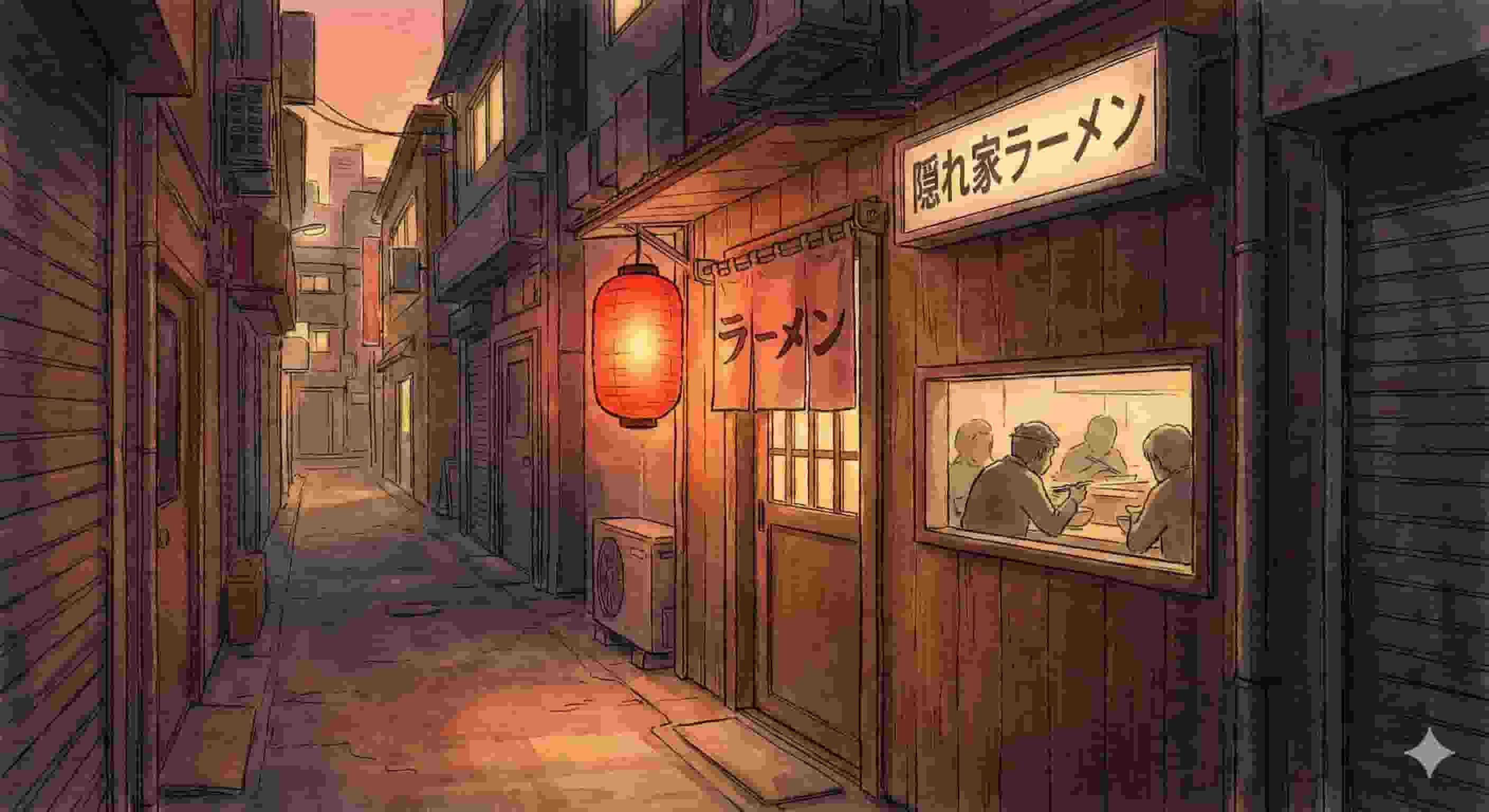
Beyond the Neon & The Queues
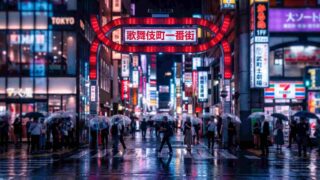
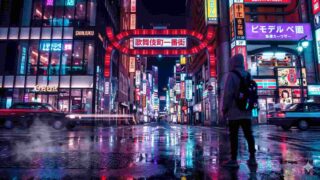
Tokyo is a city of layers. On the surface, you have the neon-drenched streets of Shinjuku and Shibuya, where famous chains like Ichiran and Ippudo command hour-long queues of tourists seeking that perfect, reliable bowl of tonkotsu. There is no shame in enjoying these famous spots; they are famous for a reason. However, for the true culinary adventurer, the seasoned traveler, and the dedicated “Ramen Hunter,” the real magic of Tokyo’s noodle scene lies not on the main boulevards, but in the shadows.
It lies in the quiet residential suburbs where a shop owner wakes up at 4:00 AM to simmer duck bones. It lies up steep, narrow staircases in the Golden Gai that look like fire escapes. It lies in unassuming ticket machines tucked away in metro stations. This is the world of hidden ramen shops in Tokyo—a world where shokunin (artisans) dedicate their lives to perfecting a single bowl of soup, often serving fewer than 50 people a day.
In this comprehensive guide, we are going off the beaten path. We are bypassing the viral TikTok spots to bring you 10 authentic, elite-level ramen shops that are revered by locals and ramen critics (like the users of Ramen Database and Tabelog) but often missed by the average visitor. We will explore the specific “tars” (sauces), soup chemistries, and noodle textures that make these shops world-class.
Whether you are craving a refined, clear Shoyu (soy sauce) broth or a rich, creamy Paitan (white soup), this list is your treasure map to the best ramen Tokyo locals keep to themselves.
Related Posts
[The Ultimate 1-Day Shinjuku Walking Itinerary: From Neon Nights to Quiet Shrines]
- The “Hidden” Criteria: How We Chose
- 1. Chuka Soba Shibata (Komae)
- 2. Ramen FeeL (Ome)
- 3. Menya Shichisai (Hatchobori)
- 4. Kujira Shokudo (Higashi-Koganei)
- 5. Yakumo (Ikejiri-Ohashi)
- 6. Iruca Tokyo (Roppongi)
- 7. Ramen Yamaguchi (Waseda)
- 8. Ginza Hachigou (Ginza)
- 9. Menya Itto (Shin-Koiwa)
- 10. Ramen Nagi (Golden Gai)
- Glossary of Ramen Terms
The “Hidden” Criteria: How We Chose
To be considered for this list of secret ramen spots in Tokyo, a shop had to meet specific criteria. We didn’t just look for “hard to find” locations; we looked for “hard to replicate” quality.
- Location: Is it in a residential neighborhood (Shitamachi), tucked in an alley, or located in a suburb requiring a train ride?
- Local Reverence: Is this shop highly rated on Tabelog (Japan’s Yelp equivalent) and Ramen Database by Japanese users?
- Artisanship: Does the chef make their own noodles? Is the soup chemically complex and MSG-free (or used masterfully)?
- The “Vibe”: Does it offer an authentic ramen experience that feels distinct from a commercial chain?
1. Chuka Soba Shibata (Komae)
The Duck Broth Legend of the Suburbs
If you ask a Tokyo ramen critic for their “desert island” bowl, Chuka Soba Shibata is frequently the answer. Located in the quiet city of Komae (and recently relocated from Chofu), this shop is the definition of a destination dining experience. It is not something you stumble upon; you must seek it out.
The “Hidden” Factor: Shibata is located in a residential area, far from the tourist hubs of Shibuya or Asakusa. The shop exterior is modest, blending in with the local houses, but the queue of silent, reverent locals lining up before opening time betrays its legendary status.
The Bowl: The signature dish here is the Niboshi (dried sardine) or Kamo (duck) Shoyu Ramen. The soup is a masterclass in balance. The chef uses a blend of multiple types of soy sauce to create a tare that is sharp, savory, and aromatic. This is paired with a broth made from premium duck and chicken, resulting in a deep amber liquid that glistens with golden duck oil (chiyu). The noodles are thin, straight, and house-made, offering a snappy texture that picks up the broth perfectly.
Actionable Tip: Arrive 30 minutes before opening. The shop operates with military precision, and once the soup runs out, they close.
- Style: Neo-Classic Shoyu / Duck & Chicken
- Address: 1-8-12 Motoizumi, Komae, Tokyo 201-0013
- Google Maps: View on Map
- Official Link: Tabelog Profile
2. Ramen FeeL (Ome)
The Ultimate Ramen Pilgrimage
For those willing to travel for the best ramen in Tokyo off the beaten path, Ramen FeeL in Ome is the holy grail. Founded by a disciple of the legendary Ramen Iida Shoten (often cited as the best shop in Japan), FeeL is located in the mountainous far-west of Tokyo. It is a commitment, taking over an hour from Shinjuku, but the reward is unparalleled.
The “Hidden” Factor: This is a “destination ramen” shop. You cannot just walk in. They utilize a ticket system (often distributed early in the morning) or an online reservation system (TableCheck). The setting feels more like a tea ceremony house or a villa than a ramen shop.
The Bowl: FeeL offers a “Ramen Course” experience. The Shoyu Ramen is stunningly beautiful—silky, folded noodles swimming in a broth that tastes of pure chicken essence and premium soy sauce. They often serve dipping noodles (Tsukemen) in two different liquids (salt water and kelp water) to let you taste the wheat’s flavor before even dipping it in the soup. It is refined, elegant, and deeply moving.
- Style: Refined Shoyu / Shio (Salt)
- Address: 4-695-1 Baigo, Ome, Tokyo 198-0063
- Google Maps: View on Map
- Official Link: TableCheck Reservation
3. Menya Shichisai (Hatchobori)
The “Made-to-Order” Spectacle
In the world of ramen, freshness is key. But Menya Shichisai takes this to an extreme level that you have likely never seen before. Located near Tokyo Station (but often missed by travelers rushing to Kyoto), this shop is famous for making the noodles from scratch after you order.
The “Hidden” Factor: While the location is central, the shop is tucked away in Hatchobori. The interior looks like a modern sushi bar. The “hidden” gem here is the performance. There is no glass wall separating you from the chef; you sit at the counter and watch them knead, roll, and hand-cut the wheat dough for your specific bowl.
The Bowl: This is Kitakata style ramen—known for thick, curly, chewy high-hydration noodles. because they are boiled seconds after being cut, they have a texture described as “fluffy” or “mochi-mochi.” The soup is a gentle, sardine-based soy broth that plays a supporting role to the incredible noodles.
- Style: Kitakata / Hand-cut Noodles
- Address: 2-13-2 Hatchobori, Chuo City, Tokyo 104-0032
- Google Maps: View on Map
- Official Link: Official Website
4. Kujira Shokudo (Higashi-Koganei)
The Late-Night Station Secret
Ramen and train stations have a long history, but Kujira Shokudo (Whale Diner) elevates the “station noodle” concept to gourmet heights. Located inside the Nonowa shopping complex at Higashi-Koganei Station, this is a sanctuary for tired salarymen and ramen geeks alike.
The “Hidden” Factor: It is literally under the train tracks in a suburb. Unless you live on the Chuo Line, you would never pass this. It is a “local’s only” spot that stays open late, making it perfect for night owls.
The Bowl: Their signature is the Black Ramen. Do not be intimidated by the dark color; it comes from a blend of dark soy sauces that are rich and savory, not salty or bitter. The flavor is slightly sweet, deep, and peppery. The noodles are handmade, crinkly, and flattened, picking up the dark soup beautifully. It is comfort food at its finest.
- Style: Black Shoyu / Late Night
- Address: 5-1-1 Kajinocho, Koganei, Tokyo 184-0002 (Nonowa Higashi-Koganei)
- Google Maps: View on Map
- Official Link: Tabelog Profile
5. Yakumo (Ikejiri-Ohashi)
The Wonton Masterpiece
For those who believe that toppings are just as important as the soup, Yakumo is the destination. Located in the hip neighborhood of Ikejiri-Ohashi (near Shibuya but quieter), Yakumo is widely considered to serve the best Wonton Men (dumpling ramen) in Japan.
The “Hidden” Factor: The shop interior is stylish, stark, and quiet—almost like an art gallery. The signage is minimal. It feels like a secret club for people who appreciate the finer details of broth.
The Bowl: You have a choice between “White” (Shiro) and “Black” (Kuro) broth. The White uses white soy sauce for a salty, umami-forward taste that looks like golden water. The Black is a traditional soy sauce. The star, however, is the mix of shrimp and meat wontons. They are plump, silky, and bursting with flavor. Order the Tokusei (special) to get both types.
- Style: Wonton Men (White/Black Soy)
- Address: 3-6-15 Higashiyama, Meguro City, Tokyo 153-0043
- Google Maps: View on Map
- Official Link: Michelin Guide Listing
6. Iruca Tokyo (Roppongi)
Modern Luxury in a Bowl
Roppongi is known for nightlife, but hidden near the Tokyo Midtown complex is Iruca Tokyo, a shop pushing the boundaries of what ramen can be. The name means “Dolphin,” but the ingredients are strictly from the land and sea (no dolphins involved!).
The “Hidden” Factor: There is often a line, but the shop feels hidden because it operates with the service and atmosphere of a high-end Kaiseki restaurant. It is a “Find” for those who want to see the future of Tokyo ramen.
The Bowl: The “Porcini Shoyu Ramen” is the headliner. The soup is a complex “quadruple soup” made from chicken, pork, shrimp, and mussels. It is finished with a dollop of truffle and porcini mushroom paste. As you eat, the paste melts, changing the flavor profile of the soup from traditional to earthy and modern. It is sophisticated, luxurious, and completely unique.
- Style: Modern / Truffle & Porcini Shoyu
- Address: 4-12-12 Roppongi, Minato City, Tokyo 106-0032
- Google Maps: View on Map
- Official Link: Instagram
7. Ramen Yamaguchi (Waseda)
The Chicken Broth Benchmark
In the university district of Waseda lies a shop that has consistently held a Michelin Bib Gourmand for years: Ramen Yamaguchi. While famous in the industry, it is often skipped by tourists who stay in Shinjuku or Ginza.
The “Hidden” Factor: It is a neighborhood joint. The vibe is casual, but the cooking is serious. This is where you go to understand the “Tori Soba” (Chicken Noodles) trend that took over Tokyo in the 2010s.
The Bowl: The soup is 100% chicken—no pork, no seafood. By using high-quality Aizu Jigidori chickens, the chef extracts a level of umami that is shocking for a single-ingredient broth. The soy sauce tare cuts through the richness, and the pork is often cooked sous-vide for tenderness. It is the gold standard for chicken ramen.
- Style: Tori (Chicken) Shoyu
- Address: 3-13-4 Nishiwaseda, Shinjuku City, Tokyo 169-0051
- Google Maps: View on Map
- Official Link: Official Website
8. Ginza Hachigou (Ginza)
The French-Ramen Fusion / Hidden in Plain Sight
Ginza is the land of luxury, and Hachigou fits right in—but you might walk right past it. With only 6 seats and a chef trained in French cuisine, this is arguably the most exclusive bowl on this list.
The “Hidden” Factor: The shop is tiny. The “Hidden” aspect here is the difficulty of entry and the unassuming facade. It looks like a small ryotei.
The Bowl: The chef, Matsumura-san, uses a technique that is almost unheard of in ramen: No Tare. Usually, ramen is Soup + Sauce (Tare). Hachigou uses prosciutto (cured ham) and sea salt boiled with the duck and chicken bones to season the soup during the cooking process, similar to a French Consommé. The result is a golden, complex soup that tastes unlike anything else. Topped with a sprinkle of black pepper and seasonal vegetables, it is elegance defined.
- Style: French-Style Consommé (No Tare)
- Address: 3-14-2 Ginza, Chuo City, Tokyo 104-0061
- Google Maps: View on Map
- Official Link: TableCheck Reservation
9. Menya Itto (Shin-Koiwa)
The King of Tsukemen
If you love dipping noodles (Tsukemen), you must leave central Tokyo and head east to Shin-Koiwa to visit Menya Itto. This shop is consistently ranked as the #1 or #2 Tsukemen shop in all of Japan on Tabelog.
The “Hidden” Factor: Shin-Koiwa is a commuter town. There are no major tourist attractions here—except this bowl of noodles. The shop is modern and clean, often attended by female staff (rare in the ramen world), creating a welcoming atmosphere.
The Bowl: The “Seafood Tsukemen” features a dipping soup that is incredibly rich, made from chicken and five types of seafood, yet surprisingly not greasy. The noodles are thick, cold, and chewy. The toppings include vacuum-cooked chicken and pork that have the texture of high-end ham. When you finish the noodles, ask for “Soup Wari” to dilute the dipping sauce into a drinkable hot soup.
- Style: Rich Seafood Tsukemen
- Address: 1-4-17 Higashi-Shinkoiwa, Katsushika City, Tokyo 124-0023
- Google Maps: View on Map
- Official Link: Official Website
10. Ramen Nagi (Golden Gai)
The Alleyway Classic
We end with a spot that captures the cyberpunk/noir aesthetic of Tokyo perfectly. Located in the famous Golden Gai drinking district of Shinjuku, Ramen Nagi is not chemically “hidden” (it is quite famous), but physically, it is an adventure to find.
The “Hidden” Factor: You must navigate the narrow, ramshackle alleys of the Golden Gai. Look for a red lantern and a steep, narrow staircase that looks like it leads to a private apartment. Climb it, and you will find a tiny room that smells intensely of dried sardines.
The Bowl: This is Niboshi (Sardine) ramen on steroids. The “Super Golden” ramen has a bitter, punchy, salty, fishy (in a good way) broth that wakes you up. It features huge sheets of flat noodles (like lasagna) alongside the regular noodles. It is the perfect end to a night of drinking in Shinjuku.
- Style: Intense Niboshi (Sardine)
- Address: 2F, 1-1-10 Kabukicho, Shinjuku City, Tokyo 160-0021 (Golden Gai)
- Google Maps: View on Map
- Official Link: Official Website
Glossary of Ramen Terms
To order like a pro at these secret ramen spots, familiarize yourself with these terms:
- Shoyu: Soy Sauce based broth.
- Shio: Salt based broth (usually clear and lighter).
- Miso: Fermented bean paste broth (rich and savory).
- Tonkotsu: Pork bone broth (creamy and white).
- Tsukemen: Dipping noodles (cold noodles served with hot, concentrated soup).
- Kaedama: An extra serving of noodles (order this when you have soup left).
- Ajitama: Marinated soft-boiled egg.
- Chashu: Braised pork slices.
Conclusion
Tokyo’s ramen scene is a universe unto itself. While the guidebooks will point you to the chains, the true soul of the city is found in these hidden ramen shops. From the duck-infused oils of Shibata in the suburbs to the truffle-scented luxury of Iruca Tokyo, each bowl tells a story of dedication and craft.
Next Step: Are you ready to taste the real Tokyo? Bookmark this page for your trip. If you want a customized itinerary that includes these shops and other hidden culinary gems.