


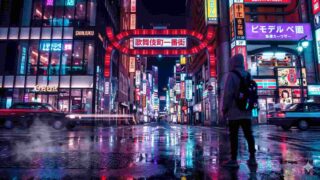


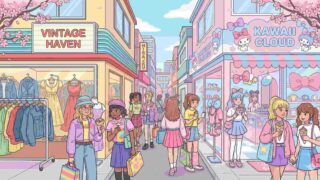

Harajuku is more than just a neighborhood; it is the beating heart of Japanese youth culture, a global symbol of “Kawaii” (cute) fashion, and a labyrinth of contradictions. For the first-time traveler, Harajuku can be an assault on the senses—a chaotic blend of sugar-rush crepes, gothic lolita dresses, serene Shinto forests, and ultra-modern architecture.
If you are planning your trip to Tokyo in 2026, you are arriving at a pivotal moment in Harajuku’s history. The area has undergone a massive transformation over the last few years, trading some of its gritty teenage rebellion for polished, high-end complexes like Harakado. However, the spirit of rebellion still lives in the backstreets of Ura-Hara.
This comprehensive guide is designed to help you navigate the chaos, find the hidden gems, and understand the cultural etiquette of Tokyo’s most famous district.
- 1. Getting There: The New vs. Old Harajuku Station
- 2. Takeshita Street: The Kawaii Gauntlet
- 3. Ura-Harajuku (Ura-Hara): The Cool Kid’s Backyard
- 4. Omotesando & Harakado: The Adult Playground
- 5. Meiji Jingu Shrine: The Spiritual Contrast
- 6. Anime & Pop Culture Spots
- 7. Practical Tips for the First-Timer
- Conclusion
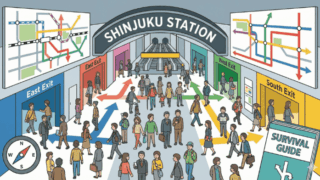
1. Getting There: The New vs. Old Harajuku Station
Your journey begins at Harajuku Station (JR Yamanote Line). If you visited Tokyo prior to 2020, you might remember a charming, alpine-style wooden station building. That structure was dismantled for safety, replaced by a modern, airy glass complex.
Important 2026 Update: While the modern “glass box” station is currently in use, JR East has announced plans to rebuild the beloved original wooden station facade using original materials, with a grand reopening scheduled for Winter 2026. Keep an eye out for construction near the Takeshita Exit—you are witnessing history being restored.
- Takeshita Exit: spits you out directly into the madness of Takeshita Street. Use this if you want to dive straight into the action.
- Omotesando Exit (East Exit): A more spacious exit that leads toward the luxury brand shops, Meiji Jingu, and the new Harakado complex.
2. Takeshita Street: The Kawaii Gauntlet
Target Keyword: Takeshita Street Guide Secondary Keyword: Harajuku food guide
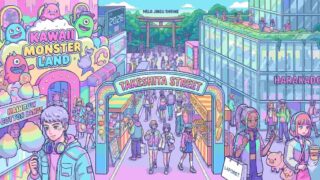
Takeshita Street (Takeshita-dori) is a 400-meter alleyway that serves as the epicenter of teenage fashion. It is loud, colorful, and perpetually crowded.
Takeshita Street
Website: https://www.takeshita-street.com/
Google Map: Takeshita Street Location
Navigating the Crowds
- Best Time to Visit: Weekday mornings (10:00 AM – 11:30 AM). Most shops don’t open until 10:30 or 11:00 AM.
- Worst Time to Visit: Weekends and Japanese National Holidays. The street becomes a wall of people; you will not be walking, you will be flowing with the crowd.
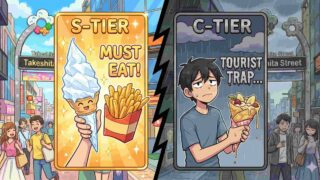
Must-Eat Takeshita Foods (2026 Trends)
Food trends move fast in Harajuku. While the famous “Rainbow Cotton Candy” is timeless, 2026 has introduced new viral hits:
- Marion Crepes: The OG. It’s not just a crepe; it’s an institution. The display case alone is a work of plastic food art.
- Website: https://www.marion.co.jp/
- Google Map: Marion Crepes Location
- 10-Yen Coin Cheese Bread: A coin-shaped pancake filled with molten mozzarella that stretches for miles. A TikTok staple that has staying power.
- Tanghulu (Candied Fruit): Crunchy, sugar-coated strawberries and shine muscat grapes are the current favorite walking snack.
- Towel Cake: The latest craze—crepes folded to look like rolled towels, filled with cream and fruit.
Traveler Tip: Do not eat while walking. In Japan, “Tabearuki” (eating while walking) is generally frowned upon, especially in crowded zones where you might stain someone’s clothes. Stand off to the side or eat in the designated standing areas in front of the shop.
3. Ura-Harajuku (Ura-Hara): The Cool Kid’s Backyard
Secondary Keyword: Ura-Harajuku hidden gems
If Takeshita Street is for teenagers, Ura-Harajuku (literally “Back Harajuku”) is for the fashion-conscious adult. This network of winding backstreets connects Harajuku to Shibuya and is the birthplace of global streetwear brands like A Bathing Ape (BAPE) and Supreme.
Cat Street
This pedestrian-friendly road is the spine of Ura-Hara. It lacks the neon screaming of Takeshita and replaces it with vintage shops, craft coffee, and independent boutiques.
- Shopping: Look for Ragtag (high-end secondhand designer gear) and Chicago (accessible vintage Americana/Kimono).
- Vibe: This is where you go to spot Tokyo’s best-dressed locals. The style here is “rugged casual”—think oversized silhouettes and limited-edition sneakers.
Hidden Cafe: Reissue
Tucked away in Ura-Hara is Reissue, a cafe famous for 3D Latte Art. You can show the barista any photo (your pet, an anime character, a logo), and they will recreate it in foam sculpture. It remains one of the most unique coffee experiences in Tokyo.
Website: https://www.reissue.co.jp/
Google Map: REISSUE Location
4. Omotesando & Harakado: The Adult Playground
Secondary Keyword: Omotesando vs Harajuku
Parallel to the chaos of Takeshita Street lies Omotesando Avenue, often called the “Champs-Élysées of Tokyo.” It is lined with zelkova trees and flagship stores for Gucci, Dior, and Louis Vuitton.
The New Landmark: Harakado (Opened 2024)
Located at the Jingumae intersection, Harakado is the newest major complex in the area and a must-visit for 2026 travelers.
- The Rooftop: It offers a free public terrace with a stunning view of the intersection, looking down on the older Tokyu Plaza (Omokado) building. It is the best sunset spot in the area.
- The Sento (Bathhouse): In the basement, there is a fully operational traditional bathhouse called Kosugiyu. It’s a surreal experience to soak in a hot bath in the middle of Tokyo’s fashion district.
- Dining: The food court here is curated and stylish, offering everything from craft beer to specialized curry.
5. Meiji Jingu Shrine: The Spiritual Contrast
Secondary Keyword: Meiji Jingu Shrine visiting
Just behind Harajuku Station lies a 700,000-square-meter forest. Meiji Jingu is dedicated to Emperor Meiji and Empress Shoken. The contrast is jarring: you step from the noise of modern pop culture directly into a silent, sacred forest.
- The Torii Gates: The massive wooden gates mark the transition from the profane to the sacred. Bow once before entering.
- Sake Barrels: The famous wall of Sake Barrels (Kazaridaru) is a perfect photo op, symbolizing the connection between the brewing industry and the gods.
- Etiquette: Walk on the sides of the path (the center is for the gods). Rinse your hands at the Temizuya (water pavilion) before approaching the main hall.
Website: https://www.meijijingu.or.jp/
Google Map: Meiji Jingu Location
6. Anime & Pop Culture Spots
Target Keyword: Jujutsu Kaisen Harajuku locations
For anime fans, Harajuku is holy ground.
- Jujutsu Kaisen: The anime features Harajuku heavily, particularly the Shibuya Incident Arc. You can visit the actual entrance to Takeshita Street where Nobara Kugisaki was scouted.
- Kiddy Land: Located on Omotesando, this is one of the most famous toy stores in Japan. It has dedicated floors for Studio Ghibli, Snoopy, Hello Kitty, and Pokemon.
- Website: https://www.kiddyland.co.jp/harajuku/
- Google Map: Kiddy Land Location
- Baseyard Tokyo: A hidden Otaku complex in Harajuku often hosting pop-up cafes and exhibitions for series like Chainsaw Man and Blue Lock.
7. Practical Tips for the First-Timer
- Restrooms: Public restrooms are scarce. Use the facilities inside Harakado, Tokyu Plaza, or Laforet department store. Convenience stores often lock their restrooms in this area due to high traffic.
- Trash: There are almost no trash cans on the street. Carry a small plastic bag to hold your trash until you find a bin (usually at the train station or inside a convenience store).
- Wi-Fi: Free Wi-Fi is spotty. Harakado has a reliable open network, but renting a Pocket Wi-Fi or getting an eSIM is highly recommended.
Conclusion
Harajuku is a microcosm of Tokyo itself: a collision of the hyper-modern and the deeply traditional. Whether you are hunting for the perfect Lolita dress on Takeshita Street, sipping 3D latte art in Ura-Hara, or bowing at the gates of Meiji Jingu, the district offers an energy you cannot find anywhere else in the world.